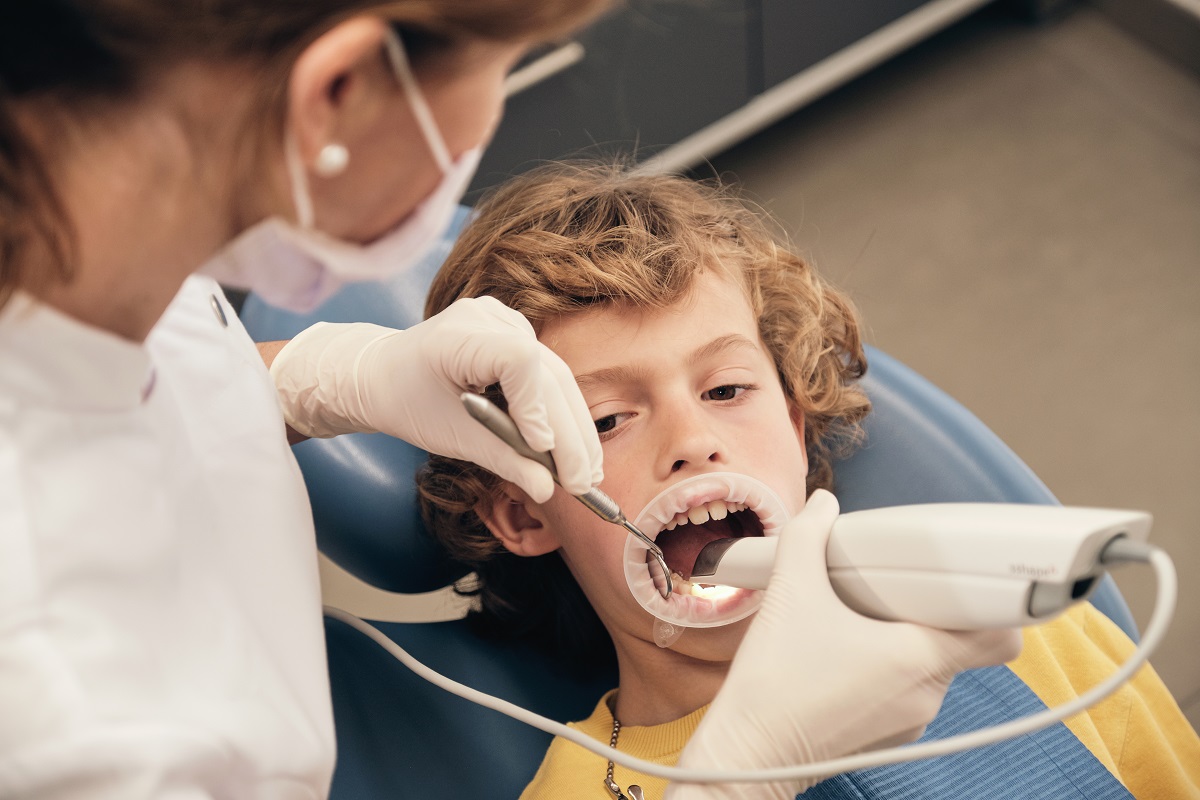
How Pediatric Dentists Handle Dental Anxiety in Children’s Orthodontic Journey


Dental visits can be intimidating for many children, especially when orthodontic treatments are involved. The unfamiliar sights, sounds, and experiences can lead to heightened dental fear and anxiety in pediatric patients. Fortunately, pediatric dentists are specially trained to help kids feel at ease, making the orthodontic journey more comfortable and less stressful.
Understanding Dental Anxiety in Children
The prevalence of dental anxiety in children is significant, with many experiencing fear that can make routine dental visits difficult. This anxiety may stem from past traumatic experiences, the fear of pain, or simply the unknown. Pediatric dentists recognize that addressing these fears is essential for providing quality care and ensuring children’s well-being during their orthodontic treatments.
Building Trust and Creating a Calm Environment
One of the key strategies pediatric dentists use to handle dental anxiety is building trust with their young patients. Creating a welcoming and child-friendly environment helps ease nerves. Many pediatric dental offices are equipped with vibrant decorations, toys, and calming music to make children feel comfortable. This helps create a positive association with the dental office, making it easier for children to attend future appointments.
Pediatric dentists also use a gentle, patient approach when working with kids, taking the time to explain each step of the procedure in simple terms. When children understand what will happen, they are often less fearful. This approach promotes cooperation and helps children feel more in control during their orthodontic journey.
Desensitization and Positive Reinforcement
To alleviate dental fear, pediatric dentists may use desensitization techniques. This approach involves gradually exposing children to the dental setting in a non-threatening manner, starting with something as simple as a visit to the office without treatment. Over time, children become more accustomed to the environment, which helps reduce anxiety.
Positive reinforcement is also key. Pediatric dentists praise children for their bravery and offer small rewards for cooperation, helping to create a sense of accomplishment. This reinforces positive behavior, making children feel proud of their progress and motivated to continue with their orthodontic journey.
Distraction Techniques During Procedures
During orthodontic treatments, distraction can be a powerful tool in easing anxiety. Many pediatric dental practices offer virtual reality headsets, allowing children to immerse themselves in fun, calming environments while their orthodontist works. Additionally, children may be encouraged to bring their favorite toys, books, or music to help keep their minds occupied. These techniques shift focus away from the procedure and make the experience more enjoyable.
Child Sedation Dentistry for Severe Anxiety
In cases where children’s anxiety is severe and unmanageable, pediatric dentists may recommend child sedation dentistry. This option helps children relax and feel more comfortable during orthodontic treatments. Sedation techniques, such as nitrous oxide or oral sedation, are safe and monitored closely by dental professionals. Pediatric sedation dentistry is carefully tailored to each child’s needs, ensuring that they remain safe and relaxed throughout their orthodontic journey.
Education for Parents and Children
Education plays a significant role in managing dental anxiety. Pediatric dentists work with both parents and children to set realistic expectations. By explaining the benefits of orthodontic treatment and the importance of regular dental visits, they help reduce fear of the unknown. Additionally, pediatric dental care often includes tips for maintaining good oral hygiene and minimizing discomfort at home, empowering families to stay on track with their orthodontic treatment plan.
Creating a Positive Long-Term Impact
The ultimate goal of pediatric dentists is to help children build positive relationships with dental care that last a lifetime. By addressing dental anxiety early on, children can experience fewer fears as they grow older. Positive early experiences with a pediatric dentist can shape a child’s attitude toward dental care, reducing anxiety in future visits and ensuring they maintain healthy, happy smiles for years to come.
Conclusion
Managing dental anxiety in children is a crucial aspect of the orthodontic journey. Pediatric dentists employ a combination of trust-building, desensitization, distraction, and sedation techniques to make dental visits less stressful. Their specialized approach helps ensure that children receive the necessary orthodontic care while feeling comfortable and safe throughout the process. With the right strategies in place, children can develop a positive attitude toward dental visits, setting the stage for a lifetime of healthy smiles.