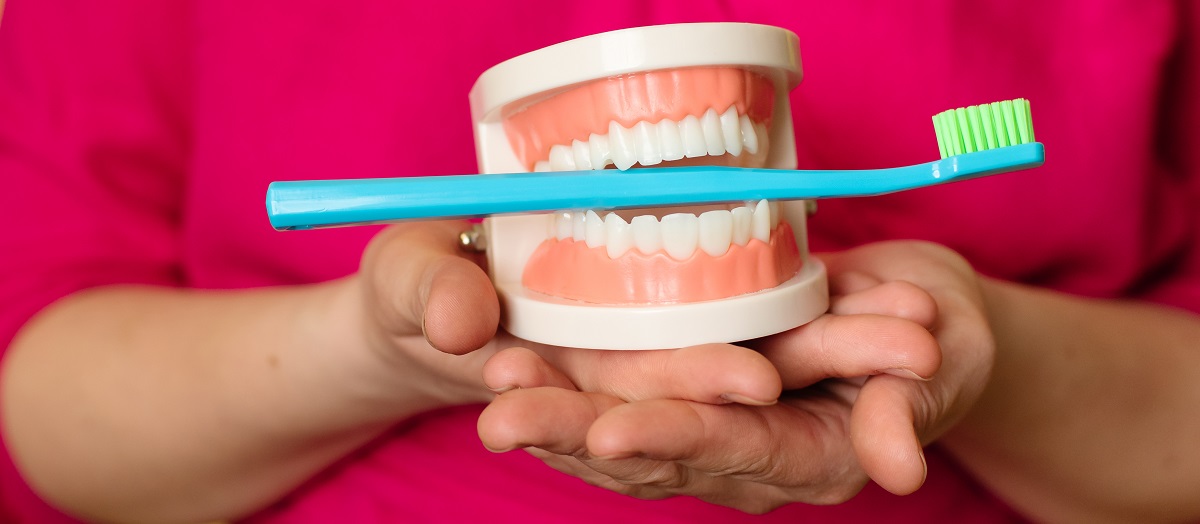
10 Interesting Toothbrush Facts Every Parent Should Know

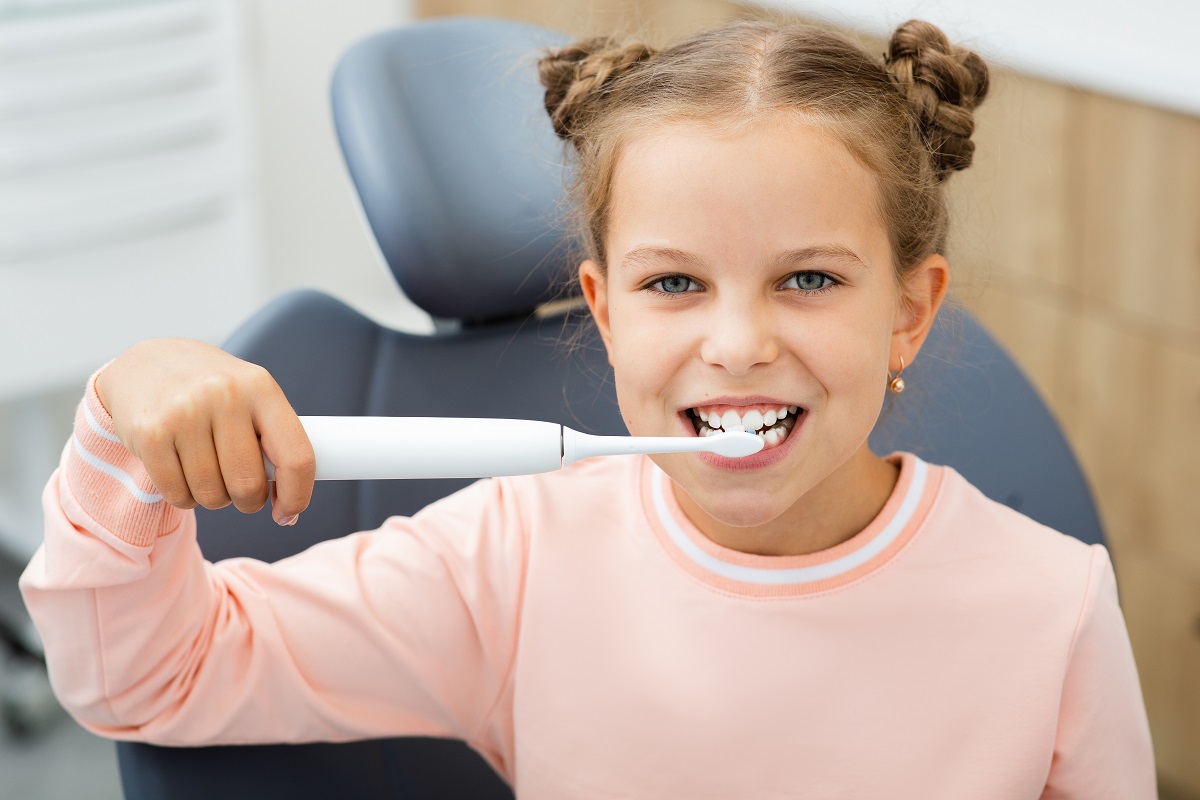
Most families in Warrenton know that brushing is the foundation of good oral hygiene- but few realize how much goes into the tool we rely on every single day. Toothbrushes have evolved significantly over the years, and understanding how they work can help parents encourage healthier brushing habits at home. Below are some interesting facts about toothbrushes that make dental care easier, more effective, and even a little fun for kids.
Why Toothbrush Facts Matter for Children’s Oral Health
Kids are naturally curious, and sharing fun insights about brushing can motivate them to take better care of their teeth. Many families in the area turn to local child-focused dental providers for guidance on proper brushing routines, brushing angles, and what types of brushes best support growing smiles.
Additionally, many families ask whether the right brushing tools really make a difference for cavity prevention, gum health, and overall comfort. That’s why learning these toothbrush facts can help parents make informed choices.
What Makes a Toothbrush Effective?
A toothbrush is effective when it has soft bristles, a child-sized head, and a comfortable handle that allows proper movement. Soft bristles are gentle on gums, while the right head size helps reach all surfaces. Replacing the brush every three months or sooner if the bristles fray- keeps cleaning efficient and hygienic.
10 Interesting Facts About Toothbrushes Parents Will Appreciate
1. Toothbrushes Are Over 5,000 Years Old
The earliest versions weren’t brushes at all; children in ancient civilizations used frayed twigs to remove food debris. Thankfully, we’ve come a long way from that.
2. Soft Bristles Are Safer and More Effective for Kids
Parents often think firmer bristles clean better, but soft bristles remove plaque without irritating sensitive gums. This is especially important as children’s mouths continue to develop.
3. Electric Brushes Can Improve Brushing Technique
Some kids struggle with consistent pressure or circular motions. Electric brushes can help guide the correct movement and often come with timers that encourage the recommended two-minute routine.
4. Toothbrushes Need Replacing More Often Than You Think
Most parents don’t realize how quickly children wear down bristles. When the bristles fray outward, cleaning power drops dramatically.
5. Toothbrush Handles Are Designed for Grip and Control
Modern toothbrush handles are more than just colorful; they’re engineered to be comfortable for small hands, which helps kids brush independently at an earlier age.
6. The Angle of the Brush Matters
The most effective brushing angle is 45 degrees toward the gumline. Teaching kids early helps them carry healthier techniques into adulthood.
7. Toothbrush Colors and Characters Boost Motivation
Kids brushing with a favorite superhero or princess actually tend to brush longer. Manufacturers intentionally design brushes to make oral hygiene feel enjoyable, not like a chore.
8. Toothbrushes Harbor Bacteria If Stored Incorrectly
Toothbrushes should air-dry upright, not inside closed containers. Proper storage keeps them cleaner and reduces odor buildup.
9. Kids Need Different Brushes as They Grow
Toddlers, early school-age children, and teens all benefit from different brush head sizes and handle styles. Choosing age-appropriate tools ensures better cleaning.
10. The Most Overlooked Brush Part? The Bristles’ Material
Nylon bristles dominate the market because they’re durable yet gentle. Some newer brushes use biodegradable or plant-based bristles for families seeking eco-friendly options.
How to Choose the Right Toothbrush for Your Child
With so many options available, parents sometimes feel unsure about what to pick. Here’s a quick checklist:
- Look for soft bristles only
- Choose child-sized brush heads
- Pick handles designed for small hands
- Replace the brush regularly
- Select colors or designs your child likes to boost enthusiasm
- Consider electric brushes for kids who need extra guidance
These practical steps help make brushing a positive daily habit, especially when parents want the best long-term results.
Practical Tips to Make Brushing More Effective
- Use a pea-sized amount of fluoride toothpaste once your child can spit.
- Guide your child until they have the dexterity to tie their own shoes (usually around age 6–7).
- Turn brushing into a game with timers or music.
- Schedule regular preventive appointments to monitor brushing progress.
These habits support stronger enamel, fresher breath, and healthier gums.
Routine Dental Care in Warrenton
Families across the community rely on providers who understand both the science of oral hygiene and the everyday challenges of children’s routines. Whether your child needs guidance with brushing technique, recommendations for age-appropriate tools, or preventive checkups, expert pediatric care helps set the foundation for lifelong oral health.
Healthy brushing habits begin with the right tools and a skilled dental team.
Book a routine care visit at Woodside Pediatric Dentistry today to support your child’s healthiest smile.