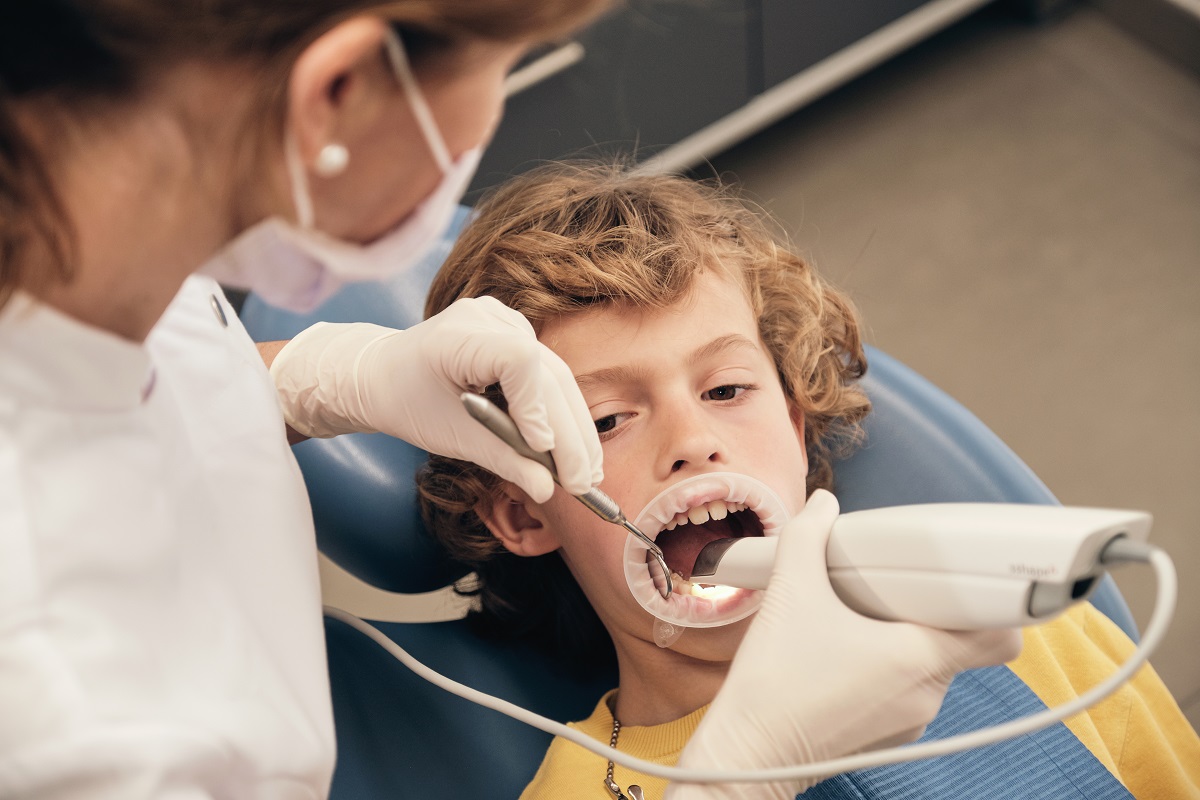
“Shark Teeth” in Kids: Why Adult Teeth Grow Behind Baby Teeth and What to Do

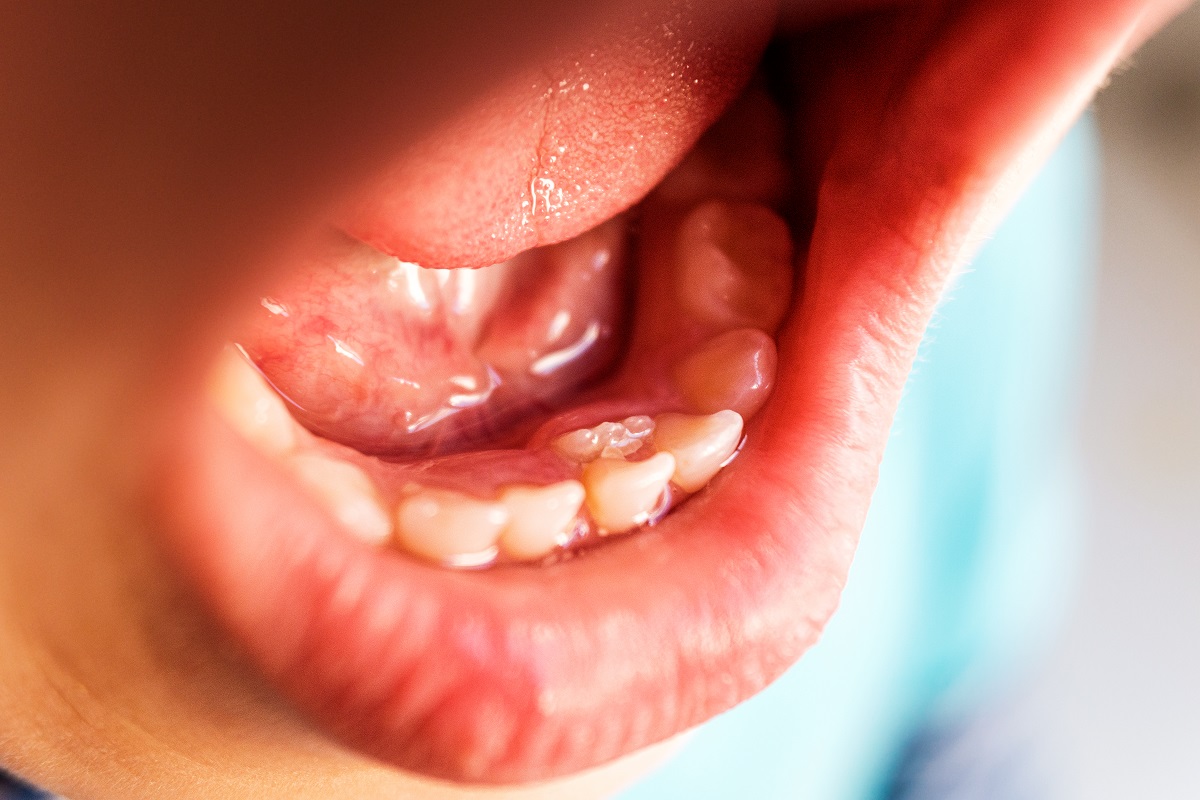
Parents often notice this during everyday routines like brushing, when a second row of teeth starts appearing behind the baby teeth. In our Warrenton practice, families from Gainesville, Haymarket, and nearby areas bring this concern to us quite often.
At Woodside Pediatric Dentistry, Dr. Jennifer Woodside regularly guide families through this stage of dental development. Their approach focuses on early evaluation, practical guidance, and helping parents understand what is normal and what needs attention.
If you’re noticing unusual tooth changes in your child, our team is here to help. Contact us today to schedule a visit and get clear, expert guidance on what to do next.
Why does this happen in the first place?
When everything follows the usual pattern, a permanent tooth develops under the baby tooth and slowly dissolves its root. This causes the baby tooth to loosen and fall out at the right time.
With “shark teeth,” that timing is slightly off. The adult tooth begins erupting behind the baby tooth instead of directly underneath it. Since the root of the baby tooth is not fully dissolved yet, it stays in place while the new tooth comes in.
This is most commonly seen in the lower front teeth, especially around ages six to seven.
What parents usually notice first
Most families do not catch this during routine brushing right away. Instead, it often shows up in ways like:
- A visible second row of teeth behind the front baby teeth
- The baby tooth is not feeling loose, even though a new tooth is coming in
- Mild crowding or a “stacked” appearance
- A child mentioning something feels different but not painful
Interestingly, pain is not usually the first sign. That is why many parents are unsure whether to wait or act.
Is this normal or something to worry about?
In many cases, this situation is not an emergency. It is a common variation in how teeth erupt. However, it is not something to ignore completely either.
Here is how we explain it to parents in our office:
- If the baby tooth starts loosening within a few weeks, the situation often resolves on its own
- If the baby tooth stays firm and the adult tooth keeps growing, intervention may be needed
- If multiple teeth are affected, it may indicate crowding or space issues
Parents searching for a pediatric dentist near them in the Warrenton area often come in at this stage because they are unsure whether waiting is safe. A quick evaluation can prevent unnecessary worry.
What you can safely do at home
There are a few simple things we often recommend before considering any treatment:
- Encourage your child to gently wiggle the baby tooth daily
- Offer crunchy foods like apples or carrots if age-appropriate
- Keep brushing consistently, especially around the area
What you should not do is try to pull the tooth out forcefully. If the root is still intact, this can cause pain and unnecessary trauma.
When it is time to see a pediatric dentist
Timing matters more than most parents realize. The goal is not to rush into treatment, but also not to wait too long.
You should consider scheduling a visit if:
- The baby tooth is not loosening after a few weeks
- The adult tooth is clearly moving further behind the baby tooth
- Your child has discomfort while eating or brushing
- You notice crowding developing quickly
At Woodside Pediatric Dentistry, we often see families who waited a bit too long because they assumed it would fix itself. In some of those cases, a simple early visit could have prevented alignment issues.
What happens if the baby tooth does not fall out?
If the baby tooth remains in place, we may recommend removing it to allow the permanent tooth to move into the correct position.
This is usually a straightforward procedure. In most cases:
- It is quick and well-tolerated by children
- Local anesthesia is used to keep the child comfortable
- The permanent tooth often shifts forward naturally after removal
Parents are often surprised at how quickly things improve once the baby tooth is no longer blocking the path.
Will this lead to braces later?
This is one of the most common concerns we hear.
The presence of shark teeth alone does not automatically mean your child will need braces. However, it can sometimes be an early sign of limited space in the jaw.
What matters is:
- How much room is there for permanent teeth
- Whether multiple teeth are affected
- How the bite develops over time
Early monitoring helps us guide parents on whether orthodontic care may be needed later or if everything is progressing normally.
Common mistakes parents make in this situation
Over the years, we have seen a few patterns that can make things more complicated:
- Waiting too long because there is no pain
- Trying to remove the baby tooth at home too early
- Assuming all cases will self-correct
- Ignoring follow-up once the baby tooth finally falls out
Each child’s situation is slightly different, so a quick check can make a big difference in outcomes.
What we tell parents during visits
In real conversations with families, we keep things simple and focused on decisions:
- Is the baby tooth loosening on its own
- Is the permanent tooth in a position that will correct naturally
- Do we need to create space now to avoid future crowding
Most of the time, parents leave reassured with a clear plan, whether that means waiting or taking action.
If you have been searching for a local pediatric dentist because something looks off with your child’s teeth, this is exactly the kind of situation where an early visit can provide clarity.
A quick next step for concerned parents
If you have noticed a second row of teeth or your child’s baby tooth is not loosening as expected, it is worth getting a professional opinion. Visit Woodside Pediatric Dentistry in Warrenton, VA, with your child for a gentle, stress-free checkup and clear answers you can trust.
Changes in your child’s teeth can feel sudden and confusing, especially when they do not follow the expected pattern. In situations like this, we focus on understanding the timing, monitoring the natural process, and stepping in only when needed. With the right guidance, most children transition through this phase smoothly and confidently.