What Happens During Your Child’s Preventive Dental Visit

Many parents in Warrenton ask the same question before bringing their child in: what actually happens at a preventive dental visit? Understanding what happens during your child’s preventive dental visit in Warrenton can ease your nerves and your child’s. At Woodside Pediatric Dentistry, Dr. Jennifer Woodside makes every appointment clear, calm, and kid-friendly. This guide walks you through each step so you and your child know exactly what to expect.
Why Preventive Visits Matter for Kids in Warrenton
Preventive dental care is the foundation of a healthy smile. It catches small problems before they become painful or expensive. For children, early and consistent care sets lifelong habits that protect their teeth into adulthood.
The American Academy of Pediatric Dentistry recommends visits every six months starting at age one. Regular checkups allow Dr. Woodside to monitor your child’s growth and development at every stage. Skipping visits — even once — can let cavities or alignment issues go unnoticed.
Preventive care also means your child spends less time in the dental chair for bigger procedures. That is a win for every family. A quick, routine visit now prevents a stressful, lengthy visit later.
Step-by-Step: What Happens During Your Child’s Preventive Dental Visit in Warrenton
Each appointment at Woodside Pediatric Dentistry follows a thorough, structured process. Here is exactly what your child will experience from the moment they arrive.
- Warm welcome and check-in: Our team greets every child by name and helps them feel at home right away.
- Health history review: Dr. Woodside or a team member reviews any updates to your child’s medical or dental history.
- Dental X-rays (when needed): Low-dose digital X-rays help us see between teeth and below the gumline.
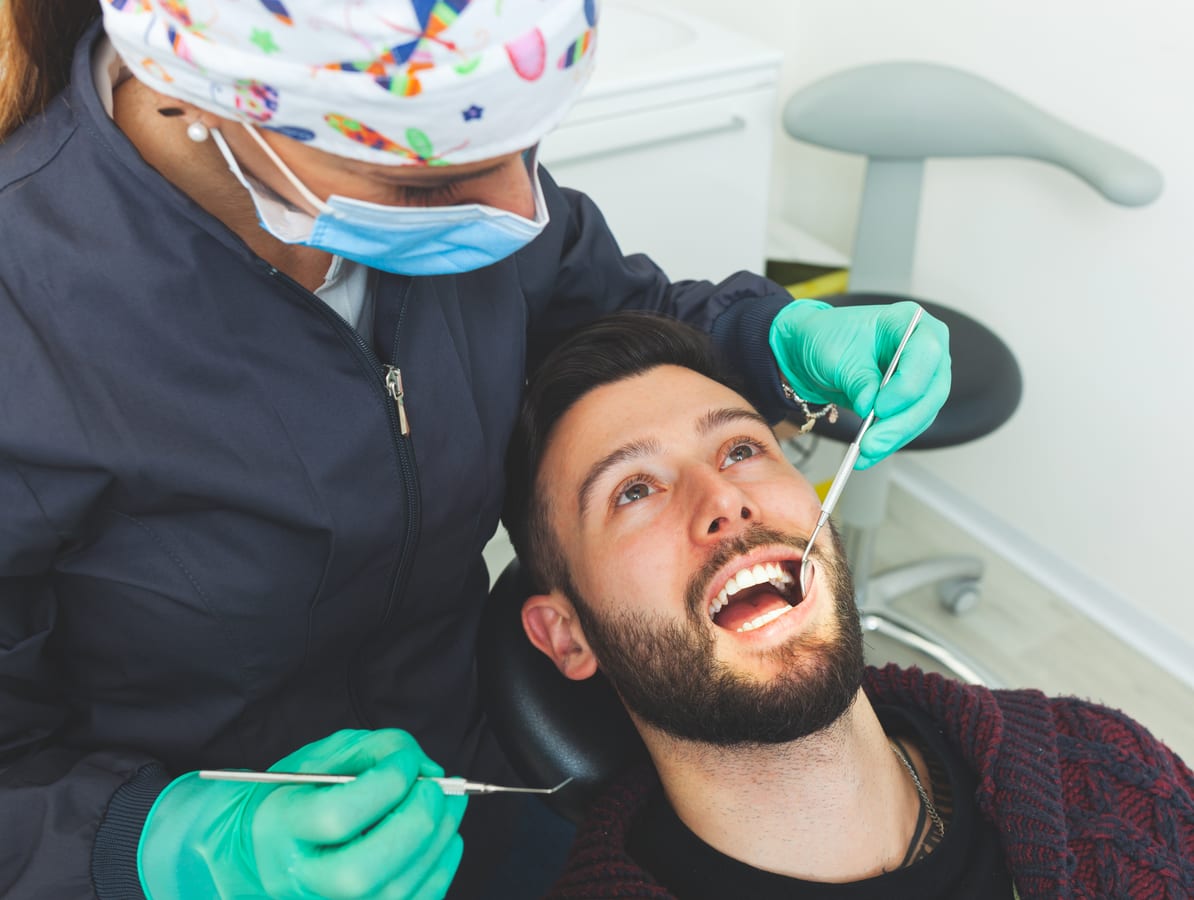
- Oral examination: Dr. Woodside carefully examines teeth, gums, jaw, and bite development.
- Professional cleaning: A gentle cleaning removes plaque and tartar buildup your child’s toothbrush cannot reach.
- Fluoride treatment: A quick fluoride application strengthens enamel and fights decay.
- Personalized guidance: Dr. Woodside shares tips specific to your child’s age, diet, and dental needs.
Every step has a purpose. Nothing is done just to fill time. Each element of the visit gives Dr. Woodside the information she needs to keep your child’s smile healthy and strong.
The Dental Exam and X-Rays: What We Are Looking For
The clinical exam is the heart of every preventive visit. Dr. Woodside checks each tooth for signs of early decay, cracks, or unusual wear. She also evaluates the gums for any redness, swelling, or tenderness that could signal a developing problem.
Beyond the teeth, she assesses jaw growth and how your child’s teeth come together when biting. This helps identify whether orthodontic treatment may be needed in the future. Spotting bite issues early gives children more options and often simpler solutions.
Digital X-rays are taken only when clinically necessary — typically once a year for most children. They use a fraction of the radiation of traditional X-rays and are completely safe. X-rays reveal cavities between teeth that are invisible to the naked eye, making them an essential diagnostic tool.
Professional Cleaning and Fluoride: The Protective Duo
Even the most diligent brushers leave some plaque behind. Our dental hygienist uses specialized tools to gently remove buildup from every surface of your child’s teeth. The cleaning also polishes enamel, leaving teeth smooth and harder for bacteria to cling to.
After cleaning, your child receives a fluoride treatment. Fluoride is a naturally occurring mineral that re-mineralizes enamel weakened by acid from food and bacteria. It is one of the most effective and well-researched tools in pediatric dentistry. The application takes just a minute or two and is completely painless.
For children at higher risk of cavities, Dr. Woodside may also recommend Dental Sealants Warrenton families trust to protect back teeth. Sealants are thin coatings applied to the chewing surfaces of molars where most childhood cavities form. They are quick, comfortable, and highly effective.
What Parents Learn at the End of Every Visit
The appointment does not end when the cleaning is done. Dr. Woodside takes time to speak directly with parents after every exam. She shares what she found, what looks great, and what needs attention.
You will receive age-appropriate brushing and flossing tips tailored to your child. Dr. Woodside may discuss diet choices that support strong enamel and reduce cavity risk. She also answers any questions about habits like thumb sucking, pacifier use, or teeth grinding.
Here are the key topics Dr. Woodside commonly covers with parents:
- Proper brushing technique for your child’s current age and development
- Best fluoride toothpaste amounts for toddlers versus older kids
- Snack and drink choices that protect enamel throughout the day
- Signs that your child may benefit from orthodontic evaluation
- What to do in a dental emergency, including if your child Emergency Dental Care Warrenton families need after a knocked-out tooth
This conversation is one of the most valuable parts of the visit. You leave with a clear picture of your child’s oral health and a simple plan to keep it on track.
Frequently Asked Questions
How often should my child have a preventive dental visit?
Most children benefit from a preventive visit every six months. Dr. Woodside may recommend more frequent visits for children with a higher risk of cavities or other developing concerns. She will advise you on the right schedule for your child after each exam.
At what age should my child have their first dental visit?
The American Academy of Pediatric Dentistry recommends the first visit by age one or within six months of the first tooth appearing. Starting early helps children feel comfortable with dental visits and allows Dr. Woodside to monitor development from the very beginning.
Are dental X-rays safe for children?
Yes. Digital X-rays at Woodside Pediatric Dentistry use very low radiation levels and are considered safe for children. Dr. Woodside only orders X-rays when they are clinically necessary and uses protective shields to minimize any exposure.
Will my child need fluoride at every visit?
Fluoride treatments are typically recommended at most preventive visits, especially for younger children whose enamel is still maturing. Dr. Woodside evaluates each child individually and recommends fluoride based on their specific cavity risk and overall dental health.
What should I do to prepare my child for their visit?
Talk about the appointment in a positive, matter-of-fact way before you come in. Avoid words like