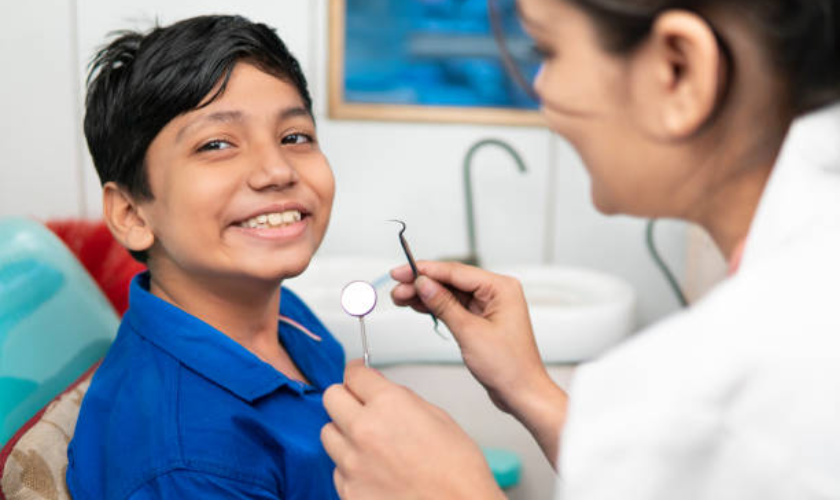
Are These Dental Habits Hurting Your Child’s Smile? Mistakes Many Parents Overlook

As parents, you’re doing your best to keep your child healthy, from balanced meals to regular checkups. But when it comes to oral health, some well-meaning habits can quietly work against your child’s smile. Many families don’t realize these missteps until cavities, alignment issues, or discomfort show up unexpectedly.
Understanding these common oversights early can make a meaningful difference in protecting your child’s teeth as they grow.
Assuming Baby Teeth Don’t Matter Much
One of the most common misconceptions is that early teeth aren’t important because they’ll eventually fall out. In reality, these first teeth play a major role in speech development, chewing, and guiding permanent teeth into proper position.
When early decay goes untreated, it can increase the risk of infection and lead to long-term spacing or alignment concerns. Children who experience dental pain early may also develop anxiety around future visits, making routine care more difficult later on.
Waiting Too Long for the First Dental Visit
Many parents wait until a child complains of pain before scheduling a dental appointment. However, professional organizations like the American Academy of Pediatric Dentistry recommend an initial visit by a child’s first birthday or when the first tooth appears.
Early visits to a pediatric dental care provider are less about treatment and more about prevention, education, and monitoring development. Establishing care early helps identify habits like thumb sucking or early enamel wear before they become larger concerns, especially for families raising children in and around Warrenton who want proactive care close to home.
Overlooking Daily Brushing Supervision
Even when kids brush twice a day, technique matters. Younger children often lack the coordination to clean thoroughly on their own. Without supervision, plaque can build up along the gumline and between teeth, areas most prone to cavities.
Parents are encouraged to assist or supervise brushing until children can reliably clean all surfaces, usually around age 7 or 8. Using the right amount of fluoride toothpaste and ensuring brushing lasts a full two minutes also makes a measurable difference.
Relying Too Heavily on “Healthy” Snacks
Snacks like fruit snacks, juice, granola bars, and even dried fruit are often seen as healthier choices—but many are sticky and high in natural or added sugars. These sugars cling to teeth and feed cavity-causing bacteria.
According to CDC data, tooth decay remains one of the most common chronic conditions in children, despite increased awareness. Swapping sugary snacks for cheese, crunchy vegetables, or water between meals can significantly reduce risk.
Skipping Routine Cleanings When There’s No Pain
Regular professional visits don’t just help prevent cavities; they also play a critical role in a child’s long-term oral development. When preventive care starts early and stays consistent, children are far less likely to need complex treatments later on. In fact, this is exactly why routine dental visits matter so much for growing smiles, as explained in our related article on how routine dental care saves your child’s smile in the long run. It highlights how early monitoring, cleanings, and education work together to support healthier outcomes as children grow.
This long-term preventive approach is why routine visits are so valuable. In fact, consistent care has been shown to lower the likelihood of extensive treatment later, a concept explained well in this related article on how ongoing dental care supports a child’s smile over time.
Common Dental Questions Parents Ask
What are the most common dental mistakes parents make?
The most frequent issues include delaying early visits, assuming baby teeth don’t need care, inconsistent brushing supervision, and underestimating the impact of sugary snacks and drinks.
How can parents prevent cavities in young children?
Daily brushing with fluoride toothpaste, limiting sugary foods, regular professional cleanings, and early dental visits all work together to reduce cavity risk.
At what age should children start seeing a dental professional?
Most experts recommend scheduling a visit by age one or within six months of the first tooth erupting.
Ignoring the Impact of Oral Habits
Thumb sucking, prolonged pacifier use, and mouth breathing can influence jaw development and tooth positioning. While some habits resolve naturally, others may need guidance to prevent bite issues.
Early evaluation allows providers to monitor these behaviors and recommend gentle interventions when needed, often avoiding orthodontic complications later.
Not Connecting Oral Health to Overall Health
Dental health doesn’t exist in isolation. Untreated oral infections can affect nutrition, sleep quality, and even school performance. Studies have shown that children with dental pain are more likely to miss school and have difficulty concentrating.
By prioritizing preventive care, parents support not just healthy teeth, but overall well-being.
Building Better Habits Starts With Awareness
The good news? Most of these mistakes are easy to correct once you’re aware of them. Small changes, like supervising brushing a bit longer or scheduling routine visits, can protect your child’s smile for years to come.
Families looking for guidance often benefit from working with a team experienced in children’s oral development and preventive-focused care.
Schedule Your Child’s Visit With Confidence
At Woodside Pediatric Dentistry, the focus is on prevention, education, and making every visit comfortable for both children and parents. If you have questions about your child’s dental habits or want to stay ahead of potential issues, now is a great time to schedule an appointment.
Call today or book online to give your child the foundation for a healthy, confident smile.