Stress-Free Checkups: 10 Things to Bring to Your Child’s Dental Visit

Families across Warrenton, New Baltimore, and Bealeton often tell us the same thing at the front desk: “We knew the appointment time, but we weren’t sure what else to bring.” That’s completely normal. Between school schedules, snacks, backpacks, and getting everyone out the door, dental visits can feel like one more thing to organize. A little preparation can make checkups easier, faster, and much less stressful for both parents and kids.

At Woodside Pediatric Dentistry, Dr. Jennifer Woodside focus on making children feel comfortable while helping parents feel informed. Our team works with infants, toddlers, school-age children, and teens every day, using a calm, friendly approach that supports healthy habits and positive dental experiences.
Ready to make your child’s next visit easy and stress-free? Schedule an appointment with our team today.
Why Bringing the Right Items Actually Matters
Most parents assume the appointment starts once they sit in the chair. In reality, a smooth visit often begins before that. Missing forms, outdated insurance details, forgotten medication changes, or a child arriving overwhelmed can slow things down.
When families come prepared, we can spend more time on what matters most: examining your child’s teeth, discussing growth and habits, answering questions, and preventing future problems.
1. Insurance Card and Photo ID
Even returning patients should bring updated insurance information if anything has changed. New employer plans, secondary coverage, or changes in subscriber details can affect claims.
A photo ID may also be needed for parent or guardian verification. This is especially helpful when another family member brings the child.
One thing we commonly see: parents assume the office “already has it,” but annual policy changes are common.
2. Completed Forms or Access to Online Forms
Many offices send forms before the appointment. Completing them ahead of time can reduce waiting room stress, especially with younger children who do not like sitting still.
Forms may include:
- Medical history
- Consent forms
- Contact information
- Allergy updates
- Behavior or sensory concerns
Parents looking for a pediatric dentist in Warrenton accepting new patients often appreciate how much faster first visits go when paperwork is finished early.
3. Updated Medical Information
This is one of the most important items and one of the most forgotten.
Bring updates about:
- New medications
- Recent surgeries
- Allergies
- Asthma inhalers
- Heart conditions
- Special healthcare needs
Dental care is connected to overall health. Even medications that seem unrelated can affect dry mouth, bleeding, or treatment planning.
4. A List of Questions or Concerns
Parents often remember concerns during breakfast, then forget them in the chair.
Write down anything you’ve noticed, such as:
- Bad breath that keeps returning
- Grinding at night
- Thumb sucking
- Delayed tooth eruption
- Sensitivity to cold foods
- Crooked incoming teeth
- Trouble brushing certain areas
This helps us address what matters to your family instead of rushing through a standard visit.
5. Comfort Item for Nervous Children
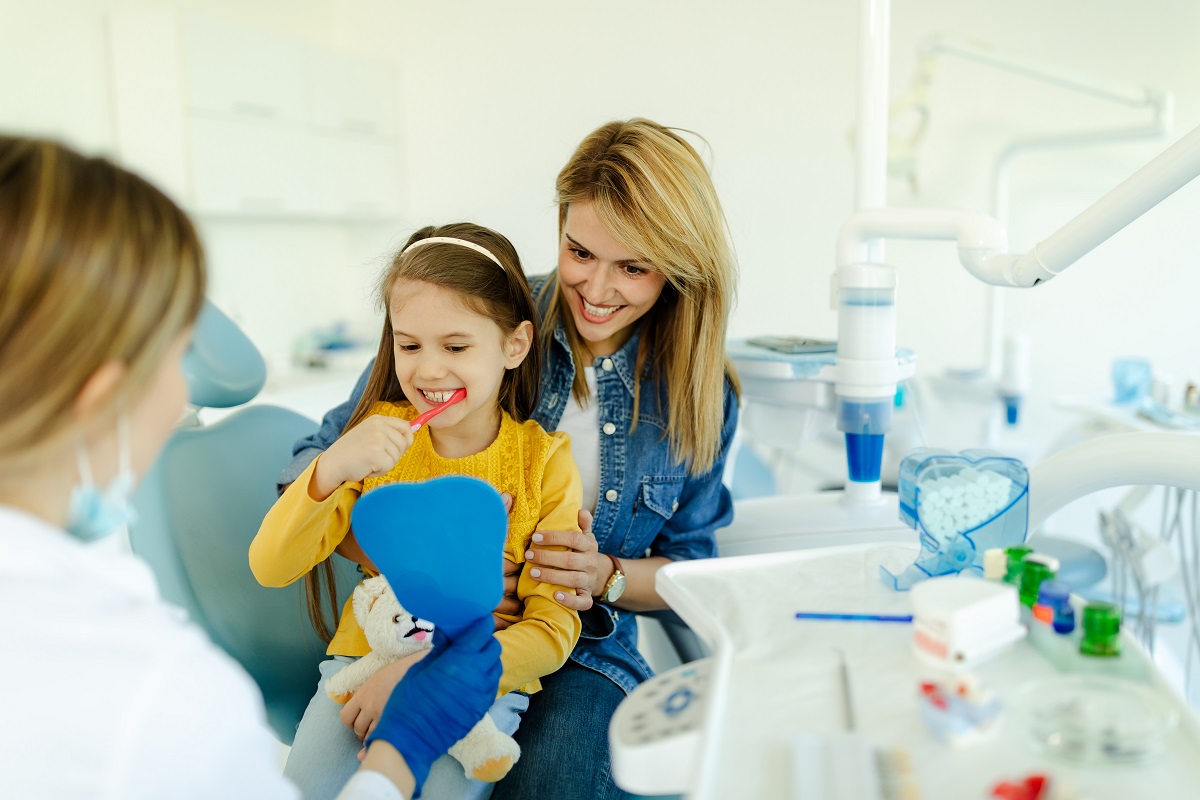
If your child is anxious, bring a favorite stuffed animal, blanket, or small toy.
This is especially useful for toddlers and preschoolers. Familiar objects help regulate stress in new environments. Many children relax faster when they can hold something comforting during the exam or cleaning.
A common mistake parents make is saying, “You’re too big for that toy now.” If it helps them cope, it still has value.
6. Previous Dental Records or X-Rays (If Changing Offices)
If your child has seen another dentist recently, records can be helpful. They may prevent unnecessary repeat X-rays and give insight into previous treatment recommendations.
This is particularly helpful if your child has:
- Cavities diagnosed elsewhere
- Past trauma to the teeth
- Orthodontic monitoring
- Space maintainers
- Ongoing sensitivity
When families transfer to a trusted pediatric dentist in Warrenton for children with dental anxiety, records often help us make the transition smoother.
7. Water Bottle and Light Snack for Afterward
Routine cleanings usually do not require recovery time, but some children get hungry quickly after appointments.
A water bottle and small snack can help, especially if:
- The visit overlaps lunch
- Fluoride was applied
- Your child skipped breakfast due to nerves
- There was a longer restorative visit
Avoid sticky candy or sugary drinks as a reward after the dentist. That habit can accidentally undermine the message kids just heard.
8. A Jacket or Extra Layer
Dental offices can feel cool to some children. Being chilly may increase discomfort or make nervous children feel more tense.
A zip-up hoodie or light sweater often solves this quickly.
This sounds minor, but experienced parents know small discomforts can become big emotions in younger kids.
9. Your Child’s Schedule Information
Know whether your child has school, sports, or another commitment afterward. This helps with planning treatment.
For example, if a loose tooth may need removal or numbness is expected, timing matters before soccer practice or a school presentation.
We often help families choose whether to treat today or schedule another time based on what comes next in the child’s day.
10. A Positive Attitude and Calm Language
This may be the most important thing you bring.
Children closely watch adult reactions. If a parent appears tense, apologizes repeatedly, or talks about painful past dental experiences, children absorb that anxiety fast.
Helpful phrases:
- “The dentist is going to count your teeth.”
- “We’ll learn how to keep your smile healthy.”
- “I’ll be right here with you.”
Less helpful phrases:
- “It won’t hurt.”
- “Don’t be scared.”
- “If you behave, I’ll buy candy.”
Kids often do better when the visit is presented as normal and routine.
What Parents Commonly Forget
In real appointments, the most frequently forgotten items are:
- Insurance updates
- Medication changes
- Questions about habits
- Records from another office
- Child comfort items
None of these are disasters, but remembering them makes visits more productive.
If It’s a First Visit, Bring This Too
For first appointments, consider bringing:
- Custody or guardianship paperwork if relevant
- Referral forms if required
- Notes about previous difficult medical visits
- Information about sensory sensitivities or communication preferences
This helps us tailor the experience from the start.
Ready for an Easier Dental Visit?
At Woodside Pediatric Dentistry, we help families feel prepared before they arrive and comfortable once they’re here. Whether it’s a first checkup or a routine cleaning, our team is here to make visits simple and positive. Schedule your child’s next appointment with us today.
When we prepare a little before an appointment, we often avoid unnecessary stress and create a better experience for everyone involved. We know children do best when visits feel calm, predictable, and encouraging, and bringing the right essentials helps us focus on keeping every smile healthy.