Why Your Anxious Child Might Need More Than Two Checkups Yearly


Most parents in Warrenton have heard the same advice: bring your child to the dentist twice a year. That guideline works well for many kids. But if you have an anxious child or one with specific oral health challenges, twice yearly may not be enough. Understanding why your anxious child might need more than two checkups yearly in Warrenton can make a real difference in their long-term dental health.
At Woodside Pediatric Dentistry, Dr. Jennifer Woodside sees children across a wide spectrum of needs. Some kids thrive with standard twice-yearly visits. Others truly benefit from seeing us three or four times per year. This article explains the evidence behind both approaches so you can make an informed decision for your child.
Where the ‘Twice-Yearly’ Rule Comes From
The twice-yearly recommendation has been around for decades. It was originally designed as a general guideline for healthy patients with low cavity risk. Research since then has shown that this one-size-fits-all approach does not serve every child equally well.
The American Academy of Pediatric Dentistry now recommends individualized visit intervals. A child’s risk level, not a calendar, should drive how often they come in. Risk factors include diet, fluoride exposure, oral hygiene habits, and yes — dental anxiety itself.
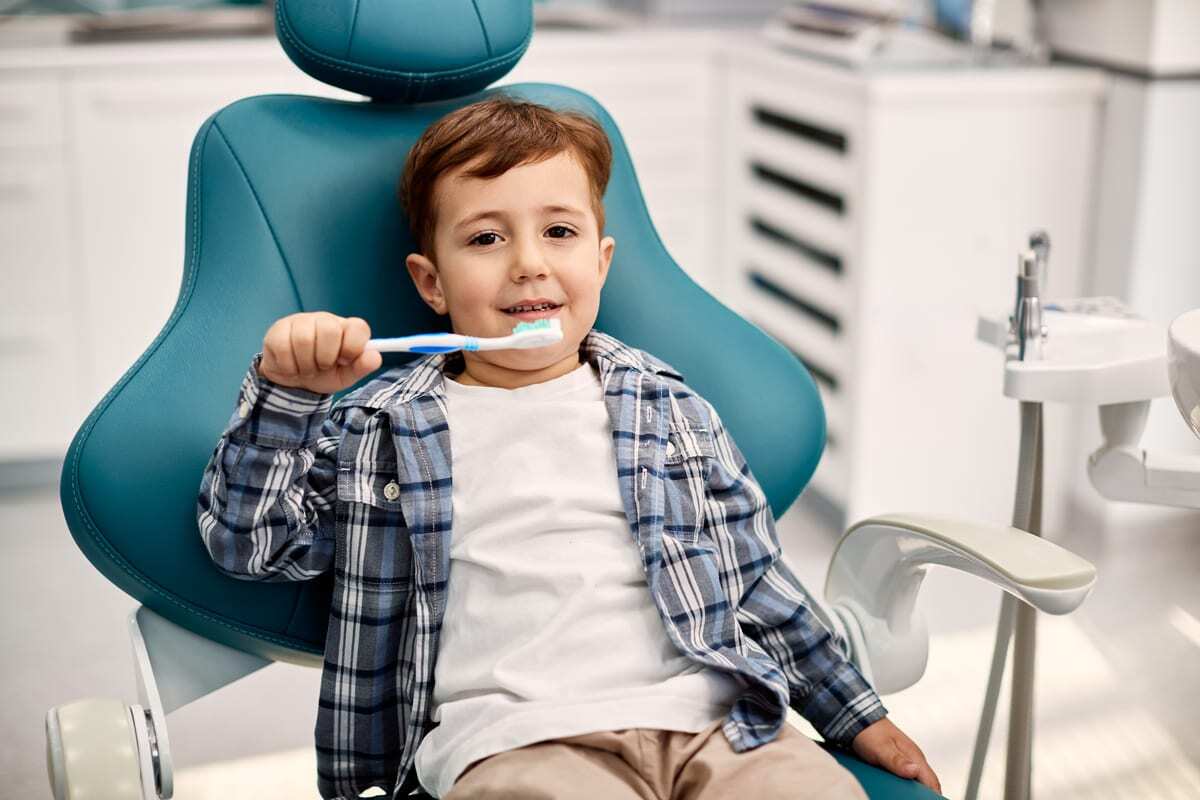
Dental anxiety matters more than many parents realize. An anxious child may resist brushing, avoid flossing, or hold tension in their jaw. These behaviors can accelerate tooth decay and gum irritation. More frequent, shorter visits can actually reduce anxiety over time by building positive associations with the dental chair.
Why Anxious Children in Warrenton Often Need More Frequent Visits
Dental anxiety is one of the most common reasons Dr. Woodside recommends additional checkups. Anxious children tend to have inconsistent brushing habits at home. Even well-meaning parents struggle to enforce a full two-minute brushing routine when a child is resistant or fearful.
Frequent short visits serve two important purposes. First, they let Dr. Woodside catch early signs of decay before they become painful problems. Second, they help desensitize your child to the dental environment gradually. A child who visits three or four times per year simply has more positive experiences to draw from.
Signs that your child may benefit from more frequent checkups include:
- Crying, freezing, or fighting before every dental visit
- Refusing to let you brush their teeth at home
- A history of cavities despite regular brushing
- Mouth breathing or grinding teeth at night
- Recent changes in diet toward sugary or acidic foods
If your child shows several of these signs, talk with Dr. Woodside about adjusting their visit schedule. There is no shame in needing more support — it simply means your child’s care plan should reflect their individual needs.
Other Risk Factors That Justify Extra Checkups
Dental anxiety is not the only reason a child might need more than two visits per year. Several clinical risk factors also point toward closer monitoring. Dr. Woodside evaluates each child holistically at every appointment.
Children with a high cavity rate are strong candidates for three-to-four-month intervals. If your child has had two or more cavities in the past year, their oral environment needs closer attention. More frequent cleanings remove plaque before it progresses to decay.
Kids with orthodontic appliances such as braces or expanders are another group that benefits from extra visits. Brackets and wires trap food particles and make thorough brushing difficult. Professional cleanings every three to four months help keep their gums healthy throughout treatment.
Additional risk factors that may warrant more frequent visits include:
- Deep pits and grooves on back teeth that trap bacteria
- Low fluoride intake from well water or filtered water sources
- Medical conditions that cause dry mouth or reduce saliva
- A diet high in juice, crackers, or sticky snacks
- A family history of early childhood cavities
Protective treatments like Dental Sealants Warrenton can reduce the need for extra visits in some cases. Sealants coat the deep grooves of back teeth and block bacteria from forming cavities. Dr. Woodside will let you know if sealants are a good fit for your child.
What Happens During a More Frequent Checkup Visit
Parents sometimes worry that extra visits mean extra procedures. That is rarely the case. Additional checkup appointments at Woodside Pediatric Dentistry are typically shorter and lower-intensity than a full annual exam.
A focused visit might include a quick cleaning, a fluoride treatment, and a brief visual exam. Dr. Woodside uses these appointments to monitor specific areas of concern identified at the last visit. She may check a tooth that looked borderline or re-examine gum tissue that showed early irritation.
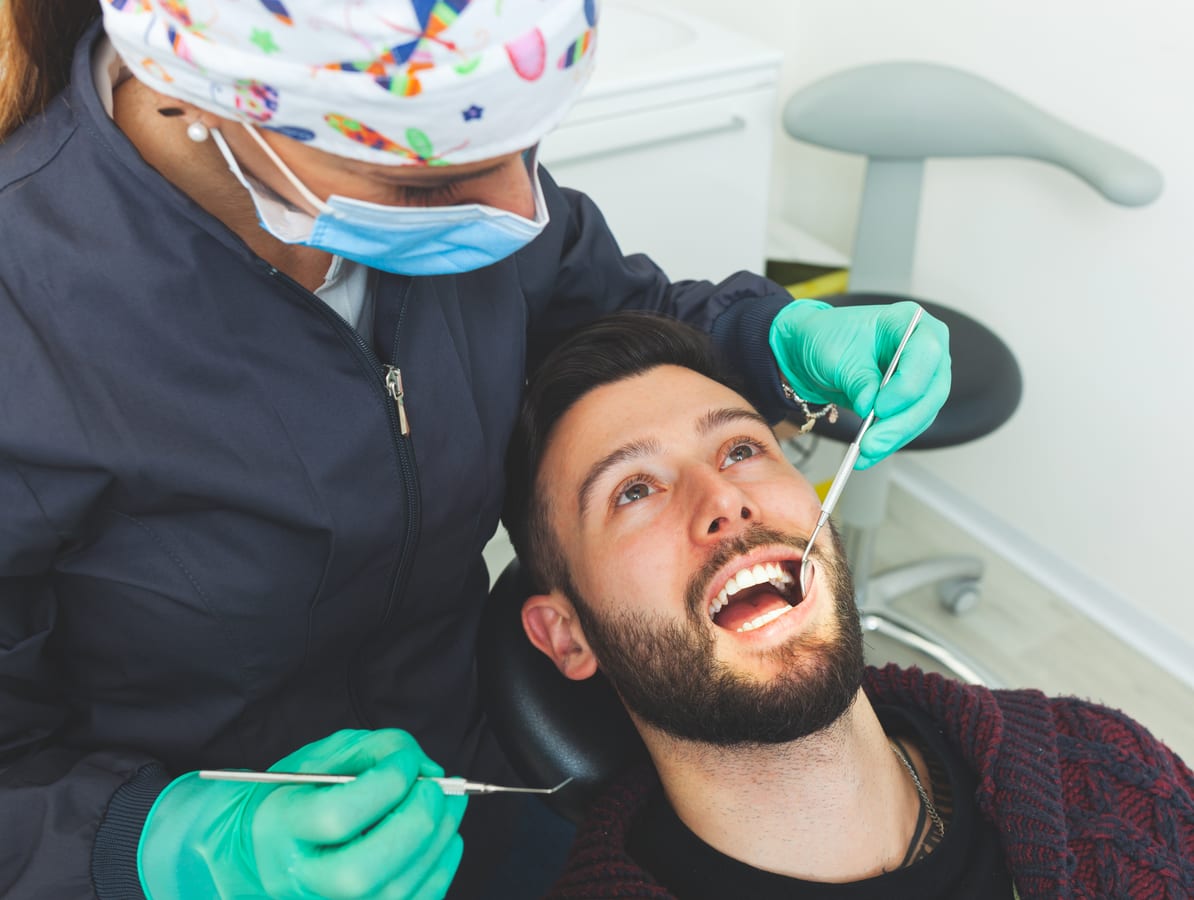
For anxious children, these shorter visits are especially valuable. They arrive, get a gentle cleaning, and leave feeling proud of themselves. That pattern builds confidence over time. Many parents report that their once-terrified child now walks into our Warrenton office without a second thought.
If a dental emergency does arise between scheduled visits, prompt action matters. Knowing your options for Emergency Dental Care Warrenton ahead of time means you will never waste precious minutes searching when your child needs help fast.
How to Talk to Dr. Woodside About Your Child’s Visit Frequency
You do not need to wait for Dr. Woodside to bring up visit frequency. At your child’s next appointment, simply ask: ‘Based on what you see today, how often should we be coming in?’ That single question opens an honest conversation about your child’s individual risk level.
Bring notes if it helps. Write down any brushing struggles, dietary changes, or anxiety behaviors you have observed since the last visit. The more context Dr. Woodside has, the more tailored her recommendation will be.
Remember that visit frequency can change year to year. A child who needed quarterly visits at age five may do well with twice-yearly visits by age eight. As habits improve and anxiety decreases, the schedule naturally adjusts. Dr. Woodside will guide you through each transition.
Conclusion: Personalized Care Is Better Than a Calendar Rule
The twice-yearly guideline is a starting point, not a finish line. Your child’s oral health, anxiety level, and risk factors all shape the right schedule for them. Dr. Jennifer Woodside and the team at Woodside Pediatric Dentistry are here to help you figure out exactly what your child needs. Book Now to schedule your appointment with our team.
Frequently Asked Questions
Is it really necessary for my child to visit the dentist more than twice a year?
It depends on your child’s individual risk factors. Children with high cavity rates, dental anxiety, orthodontic appliances, or certain medical conditions often benefit from three to four visits per year. Dr. Woodside evaluates each child individually and recommends a schedule based on their specific needs rather than a one-size-fits-all rule.
How does dental anxiety affect my child’s oral health between visits?
Anxious children often resist brushing and flossing at home. This leads to plaque buildup that increases the risk of cavities and gum issues. More frequent professional cleanings help compensate for inconsistent home care while also helping your child build positive associations with dental visits over time.
Will more frequent dental visits help reduce my child’s anxiety long-term?
Yes, in many cases. Short, positive visits help desensitize anxious children to the dental environment. Each successful appointment builds confidence. Many children who started with severe dental fear become comfortable and cooperative patients after consistent, gentle, low-pressure visits at Woodside Pediatric Dentistry.
What age should my child start having more than two checkups per year?
There is no single age threshold. Even toddlers can benefit from three or four visits per year if they have early signs of decay or significant feeding habits that affect their teeth. Dr. Woodside assesses risk at every age from infancy through the teen years and adjusts visit frequency accordingly.
What should I do if my child has a dental problem between scheduled checkups?
Contact Woodside Pediatric Dentistry as soon as possible. Do not wait for the next scheduled visit if your child is in pain, has a knocked-out or broken tooth, or shows signs of infection. Prompt care can prevent a minor issue from becoming a serious one. Our team in Warrenton is here to help when unexpected problems arise.