My Child Is Terrified of the Dentist — What Should Warrenton Parents Do?

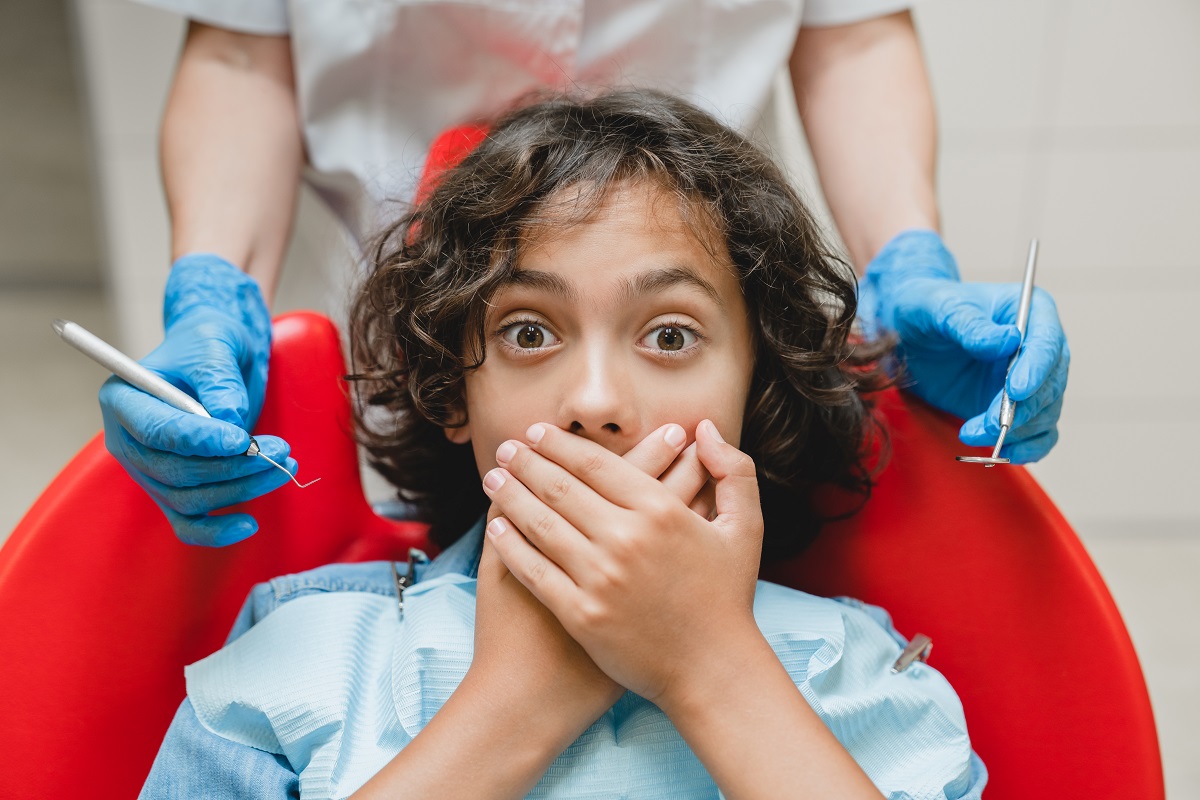
For many families around Warrenton, a dental appointment can feel like a big moment—especially when a child is anxious about the visit. Parents often describe situations where their child starts worrying days before the appointment, becomes quiet in the waiting room, or refuses to sit in the dental chair. These reactions are more common than many families realize, and they can make routine care feel stressful for both children and parents.
Fortunately, pediatric dental teams are trained to work with children who feel nervous or uncertain about treatment. Understanding why dental anxiety happens and knowing how to support your child can make a significant difference in how they experience care. In this guide, we’ll explore practical steps parents can take when their child is afraid of the dentist and how pediatric dentists help make visits more manageable for children.
Ready to Make Dental Visits Stress-Free for Your Child? Book Today!

At Woodside Pediatric Dentistry, children are treated with patience, clear communication, and careful attention to comfort. Pediatric dentists Dr. Jennifer Woodside understand that dental anxiety can look different for every child. Some may feel uneasy about unfamiliar sounds, while others may worry about discomfort or simply being in a new environment.
Dr. Woodside is a Board Certified Pediatric Dentist, and together with the team, their priority is ensuring children feel safe during each visit. Every procedure is approached step-by-step, with explanations suited to a child’s age and comfort level. Parents are also involved in decisions about care so that the approach fits their child’s needs.
When additional support is needed, the practice offers options designed to help children stay calm and relaxed during treatment, including sedation options for children in Warrenton, which may be considered depending on the child’s anxiety level and treatment needs.
Why Some Children Become Afraid of the Dentist
Dental anxiety can develop for several reasons, and recognizing these triggers helps parents respond in supportive ways.
1. Fear of the Unknown
Children who have never visited a dentist—or who remember only limited details from earlier visits—may feel uncertain about what will happen.
2. Previous Uncomfortable Experiences
A child who had discomfort during dental treatment or another medical appointment may associate those feelings with future visits.
3. Sensory Sensitivities
Dental environments include bright lights, unfamiliar sounds, and new instruments. For some children, these sensations can feel overwhelming.
4. Hearing Worries From Others
Children often absorb concerns from siblings, friends, or even adults who describe dental visits negatively.
The American Dental Association notes that early positive experiences with dental care help children feel more confident about future visits.
What Should Parents Do If Their Child Is Afraid of the Dentist?
If your child is afraid of the dentist, parents can help by preparing them in advance, using positive language about dental visits, choosing a pediatric dental practice, and discussing comfort options with the dentist if anxiety is severe.
Simple strategies include:
- Talking about dental visits in calm, reassuring ways
- Scheduling appointments earlier in the day when children are rested
- Reading children’s books about visiting the dentist
- Letting the dental team know about your child’s fears beforehand
- Asking about comfort techniques and calming options if treatment is needed
These steps help children build familiarity and trust with dental care.
Practical Ways Parents Can Help Their Child Feel More Comfortable
Prepare Your Child Before the Appointment
Explain the visit in simple terms. For younger children, describing the dentist as someone who “counts and cleans teeth” often reduces worry.
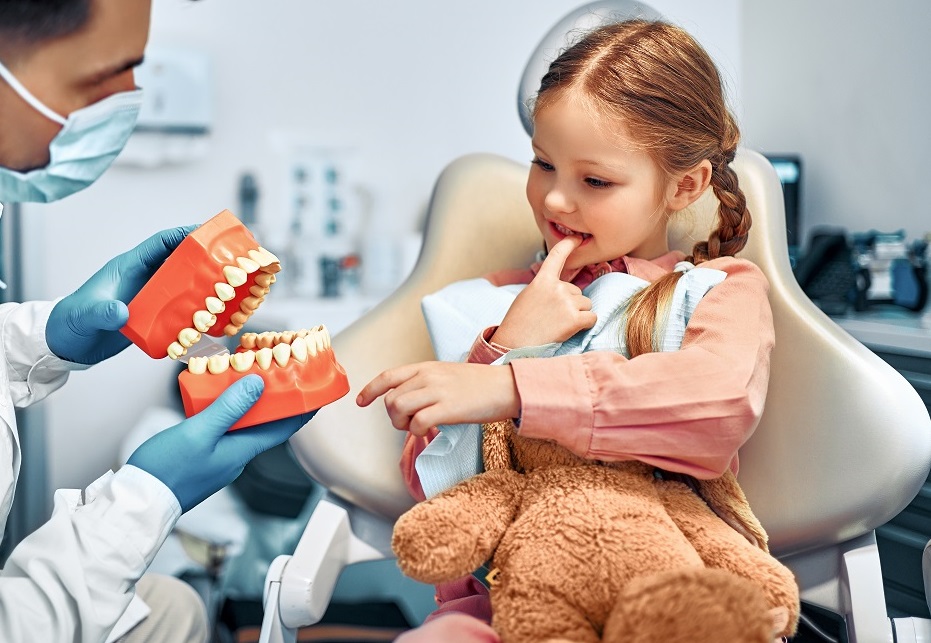
You can also role-play a dental visit at home, using a toothbrush as a pretend dental instrument.
Stay Calm and Positive
Children often mirror the emotional tone of their parents. Using reassuring language and avoiding phrases like “this won’t hurt” can prevent unnecessary worry.
Choose a Pediatric Dental Environment
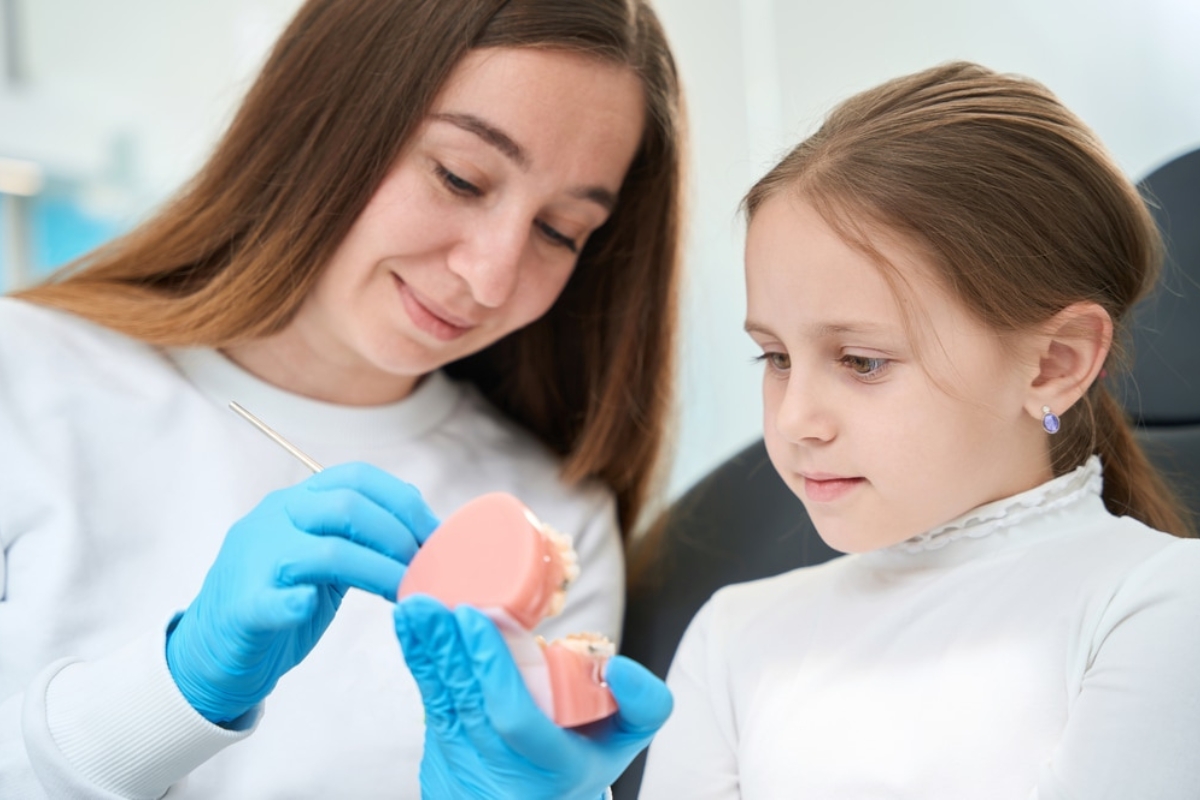
Pediatric dental offices are designed for children, with smaller instruments, child-friendly communication, and team members trained to support anxious patients.
Let the Dental Team Know About Anxiety
Sharing details about your child’s concerns allows the dentist to adapt the visit—whether that means taking extra time, explaining equipment, or allowing breaks.
In some situations, pediatric dentists may recommend sedation options for children if anxiety makes treatment difficult.
Comfort Options Pediatric Dentists May Discuss
When children have strong anxiety or require longer procedures, pediatric dentists may talk with parents about approaches that help treatment proceed more smoothly.
Nitrous Oxide
Nitrous oxide is a mild gas inhaled through a small nasal mask. It helps reduce anxiety and can also lessen the gag reflex during dental care.
Intravenous Sedation
At Woodside Pediatric Dentistry, IV sedation is performed in the office by a board-certified anesthesiologist. This twilight state allows multiple treatments to be completed in one visit for children with significant anxiety or extensive dental needs.
General Anesthesia
For certain situations—such as complex medical conditions or extensive treatment—care may take place under general anesthesia in a hospital setting.
Dr. Woodside has medical staff privileges at Fauquier Health, where dental treatment can be completed with an anesthesiology team if needed.
The goal of these options is always the same: ensuring children receive necessary dental care while maintaining safety and comfort.
A Parent’s Experience at Woodside Pediatric Dentistry
Parents often share how much a supportive dental environment can change their child’s outlook on visits.
“It was my daughter’s first time at the dentist so we both were very nervous! But the team did an amazing job making us feel comfortable and made it fun for her from the decorations all over the explain all the equipment to my daughter before they used it it made the experience 10 times better than I thought it was going to go. The dentist herself did such a great job explaining everything to me and my daughter and made her feel safe and comfortable. I would recommend anybody with children go here. It’s a beautiful office with lots of fun things To ease any nerves that the children have, I absolutely loved it!!”
— Jen Robbins
Families looking for additional perspectives are encouraged to explore more parent feedback on Google to see how other children have experienced their visits.
When Should Parents Seek Help for Dental Anxiety?
Occasional nervousness is normal. However, it may be helpful to speak with a pediatric dentist if your child:
- Refuses dental visits entirely
- Becomes extremely upset before or during appointments
- Needs dental treatment, but cannot tolerate the procedure
- Has strong gag reflexes or sensory sensitivities
Pediatric dental teams are trained to gradually build comfort while ensuring children still receive necessary care.
Supporting Positive Dental Experiences Over Time
Helping children overcome dental anxiety often takes patience and consistency. Positive early experiences, clear communication, and supportive dental professionals can make visits easier over time.
If your child feels nervous about dental care, the team at Woodside Pediatric Dentistry is here to help. Parents can schedule a visit to discuss concerns, explore comfort options, and create a care plan designed to help children feel more relaxed during treatment.