Is Your Child Afraid of the Dentist? Proven Ways to Reduce Dental Anxiety


Many families in Warrenton and nearby communities see dental anxiety pop up as soon as it’s time for a routine checkup. Some children worry about unfamiliar sounds, while others simply fear that a procedure might hurt. Whatever the reason, early dental anxiety can affect lifelong oral habits—and that’s why addressing it early matters.
At Woodside Pediatric Dentistry, helping children feel safe, understood, and genuinely comfortable is always part of the treatment plan. While certain services may involve supportive methods often used in gentle care situations, the goal is always to reduce stress so your child can get the care they need confidently.
Why Kids Experience Dental Anxiety
Children often fear the dentist due to a combination of sensory overload, past negative experiences, or uncertainty about what will happen. For some families in the Warrenton area, dental visits weren’t always positive in the past, which makes trust-building especially important.
In cases where a child has difficulty sitting still, has strong gag reflexes, or struggles with heightened fear, dentists may use enhanced comfort techniques, an approach often connected with specialty care that focuses on relaxation and reducing emotional distress. When used appropriately, these methods help restore the child’s sense of control and comfort.
Signs Your Child May Be Feeling Anxious
Even children who don’t openly express fear may show subtle indicators, including:
- Clinging to a parent
- Avoiding eye contact
- Asking repetitive worry-based questions
- Crying before or during the visit
- Trouble sleeping the night before
- Complaints of tummy aches
Spotting these early helps parents act before fear becomes a regular part of dental care.
What Helps Reduce Dental Anxiety in Kids?
The quickest way to help reduce dental anxiety in children is to combine preparation, positive language, and a supportive dental team trained in calming techniques. Parents can ease fear by explaining upcoming visits in simple terms, practicing “pretend dental checkups” at home, and choosing a pediatric dentist skilled in behavior-focused care that prioritizes relaxation and emotional safety.
How Pediatric Dentists Create a Calming Environment
Pediatric dental offices are designed intentionally to reduce fear from the moment a child walks in. Soft lighting, child-friendly décor, and interactive spaces help shift attention away from fear and toward curiosity.
Dentists and clinical teams also use specialized communication techniques like:
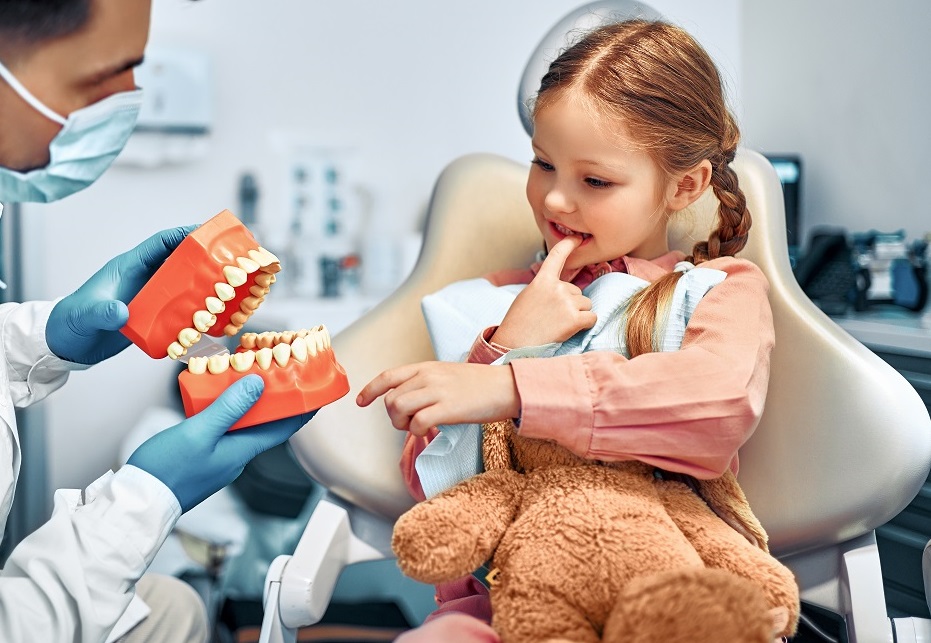
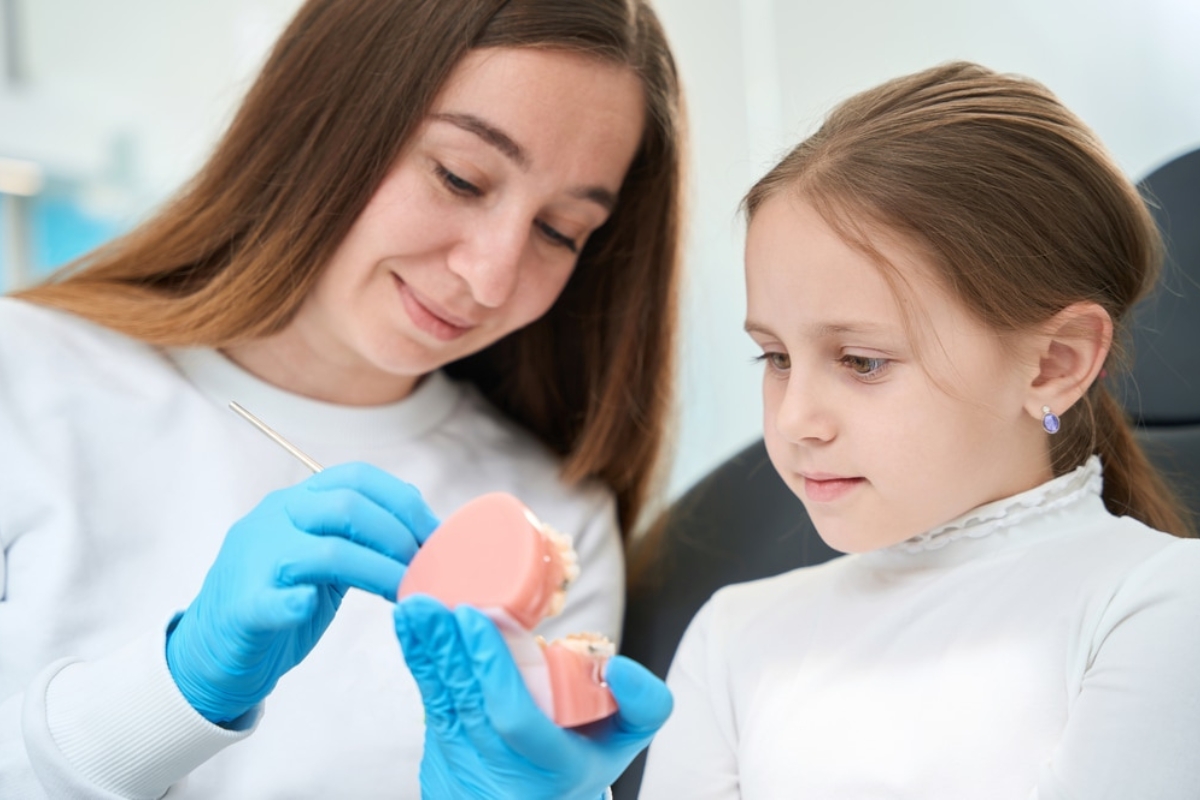
Tell-Show-Do
This lets children see and understand each step before anything happens.
Positive Reinforcement
Celebrating small wins helps build trust, even if it’s just sitting in the chair for the first time.
Distraction Techniques
Bubbles, toys, ceiling TVs, and guided breathing help the child focus on something comforting.
Comfort-Focused Care Methods
For highly anxious children or those with special health care needs, providers may use supportive approaches often associated with advanced sedation dentistry. These methods help children who typically fear the dentist remain calm without feeling overwhelmed.
These strategies reassure kids, reinforce emotional comfort, and build a predictable, calm experience every visit.
How Parents Can Reduce Dental Anxiety at Home
You play a massive role in shaping how your child feels about dental care. A few small adjustments can make a big difference.
1. Use Positive, Simple Language
Skip words like “hurt” or “shot”—even if you’re using them to say “it won’t hurt.”
Try: “The dentist helps keep your teeth strong and healthy.”
2. Practice With Play
Use a toy, toothbrush, or children’s book to make pretend dental visits fun.
Kids learn best through play, and the familiarity helps reduce fear before the real appointment.
3. Show, Don’t Tell
Let your child watch you brush and floss.
When you speak positively about your own dental visits, kids naturally feel safer.
4. Bring Comfort Items to the Appointment
A favorite blanket, stuffed animal, or even headphones can make the environment feel more predictable and secure.
5. Schedule Morning Visits
Younger children tend to do better earlier in the day when they’re rested and less overstimulated.
6. Allow the Dental Team to Guide the Visit
Parents often want to jump in to soothe, but pediatric dental teams are trained to lead with calm, child-centered techniques. Trusting the process helps the child respond more positively.
When Enhanced Comfort Techniques May Help
Some children need extra support beyond standard behavioral methods. These could include:
- Kids with severe anxiety
- Those with sensory processing challenges
- Children with prior traumatic dental experiences
- Young patients who require extensive treatment
- Children who have difficulty remaining still or relaxed
In these cases, supplementary comfort-focused services commonly associated with specialized relaxation dentistry create a safer and more manageable experience. They’re used thoughtfully, with safety and emotional well-being as top priorities.
Helping Warrenton Kids Build Lifelong Confidence
Dental anxiety doesn’t have to follow your child into adulthood. With patient-centered care, a calming environment, and a supportive team trained to work with nervous children, even the most anxious young patient can feel at ease.
Visit Woodside Pediatric Dentistry, where it has helped many Warrenton families turn intimidating appointments into positive, confidence-building experiences.