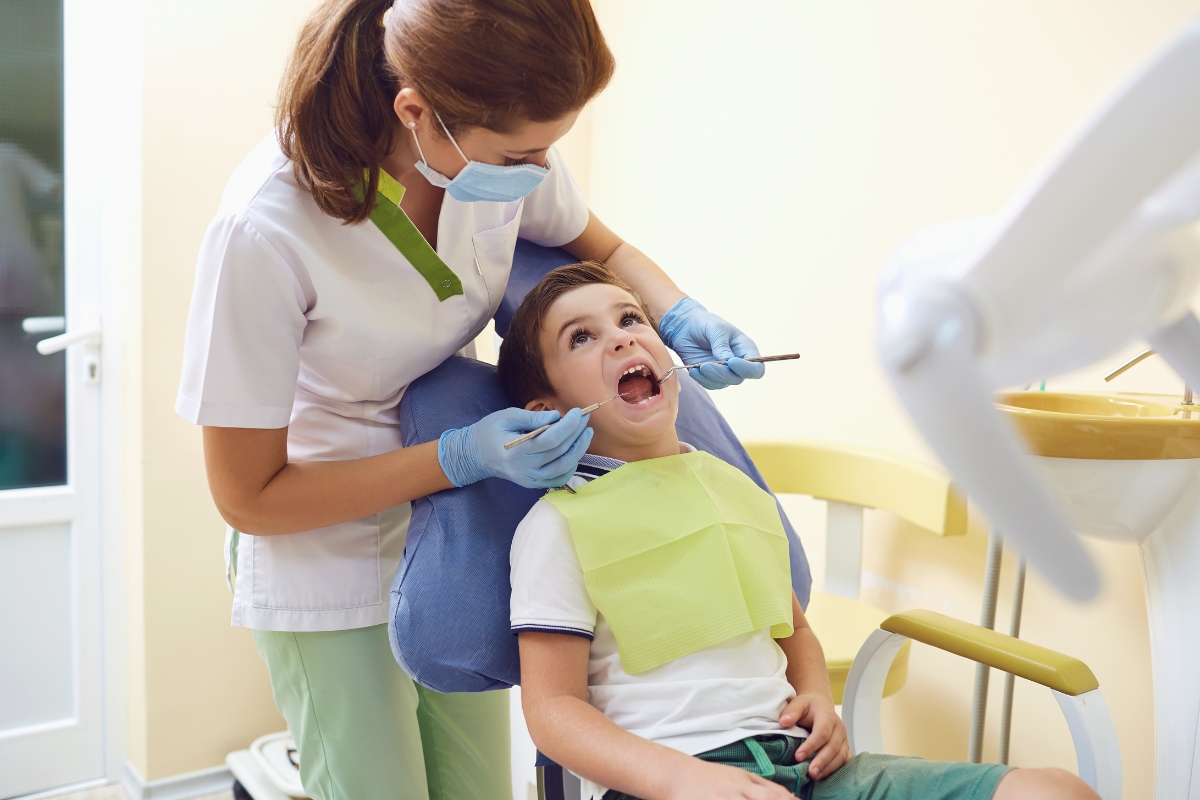
Child Bit Their Tongue or Lip, and It’s Bleeding: Should You Call a Dentist?

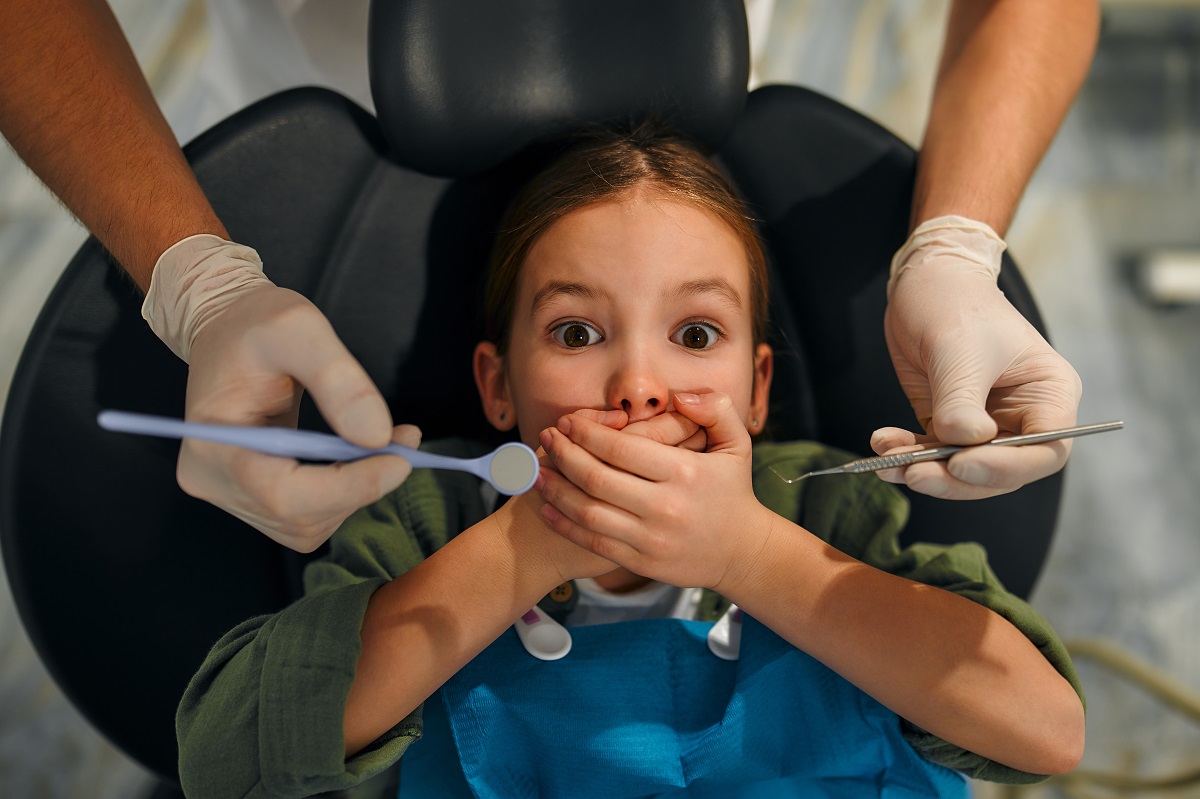
Yes, you should call a dentist if the bleeding does not stop within 10 to 15 minutes, the cut looks deep, or your child is in significant pain.
It can happen in seconds. Your child is eating, playing, or laughing around places like Rady Park, and suddenly, there is crying and blood. Tongue and lip bites are common in children, but they often look more serious than they are. The challenge is knowing when it is a minor injury and when it needs professional care.
If you are unsure, do not wait and guess. Call us at 540-341-0014 right away to speak with a professional who can guide you based on your child’s symptoms. A kids’ emergency dentist in Warrenton that parents trust can quickly help you decide whether home care is enough or if your child needs to be seen immediately.
At Woodside Pediatric Dentistry, Dr. Jennifer Woodside approach these situations with clinical precision and a child-focused mindset. Their goal is to manage pain, control bleeding, and ensure proper healing using modern, minimally invasive techniques. If something does not feel right, calling the office can give you clarity and peace of mind within minutes.
Immediate Steps: Assessing the Damage at Home
Before the panic sets in, follow these clinical steps to determine the severity of the bite. Because the mouth heals faster than almost any other part of the body, many minor injuries can be managed at home if you act quickly.
Control the Bleeding with Firm Pressure
Use a clean piece of gauze or a fresh cloth to apply firm, steady pressure directly over the bleeding site. Do not pull the gauze away every few seconds to “check”; hold it for a full five to ten minutes. In the mouth, saliva can thin the blood and make a small nick look like a significant hemorrhage.
Clean and Inspect
Once the bleeding slows, gently rinse the area with cool water. This allows you to see whether there is debris, perhaps a bit of playground gravel, or whether the wound is deep enough to require sutures.
Use Cold Therapy
A cold compress or an ice pack wrapped in a thin towel applied to the outside of the lip or cheek is essential. This constricts blood vessels, further reducing bleeding and providing a natural numbing effect for the child.
When Is It Normal, and When Is It an Emergency?
Most minor bites heal on their own within a few days. However, some signs indicate you should contact a kids’ emergency dentist in Warrenton whom parents trust for immediate evaluation.
Normal Healing Signs
- Bleeding stops within 10 to 15 minutes
- The cut looks small and shallow
- Swelling reduces within a few hours
- Your child can eat and speak comfortably
Warning Signs That Need Attention
- Bleeding continues after 15 minutes of pressure
- The cut is deep, jagged, or longer than half an inch
- The tongue has a split or visible tear
- Swelling interferes with breathing or swallowing
- Signs of infection appear, such as pus or fever
If you notice any of these, do not wait. Quick professional care prevents complications and ensures proper healing.
Why Some Tongue Injuries Need Dental Care
The tongue plays a critical role in speech, eating, and oral development. A poorly healed injury can affect how your child speaks or moves their tongue.
In certain cases, stitches or specialized treatment may be required. Modern pediatric dentistry uses advanced techniques that are precise, minimally invasive, and designed for comfort. These include:
- Fine suturing for clean wound closure
- Laser-assisted care to reduce discomfort
- Digital assessment tools to evaluate tissue damage accurately
This level of care ensures that healing is not just quick, but also functionally correct.
How a Trusted Pediatric Dentist Handles Emergency Cases
When a child comes in with a tongue or lip injury, our approach as a trusted dental practice for kids is structured and precise.
Step 1: Immediate evaluation
The team examines the injury, checks for more serious damage, and assesses bleeding control.
Step 2: Pain management
Child-friendly techniques ensure your child remains comfortable throughout the process.
Step 3: Targeted treatment
Whether it is cleaning the wound, applying sutures, or monitoring healing, care is tailored to the injury.
Step 4: Aftercare guidance
Parents receive clear instructions to support healing at home.
This process reflects advancements in pediatric dental care that prioritize both safety and long-term outcomes.
Preventing Future Injuries
While not all accidents can be avoided, simple steps can reduce the risk:
- Encourage children to sit while eating
- Avoid running or playing with food in the mouth
- Use mouthguards during sports
- Teach slow and mindful chewing habits
These small habits make a noticeable difference over time.
Trust Your Child’s Smile to the Experts
A tongue or lip bite may look serious, but not every injury requires urgent treatment. The key is knowing what signs to watch for and acting quickly when needed. When in doubt, it is always better to call and ask. Timely guidance from a professional can prevent complications and give you peace of mind.
At Woodside Pediatric Dentistry, we pride ourselves on being the kids’ emergency dentist parents turn to when it matters most in Warrenton, VA. Whether it’s a routine checkup or an emergency involving a bitten lip or tongue, our goal is to provide the highest standard of care with a local, compassionate approach for families visiting our dental practice in Warrenton, VA.
Call us today at 540-341-0014 to schedule your visit or to speak with our caring team.