My Child Has Food Stuck Between Their Teeth and It Hurts: What Should Parents Do?

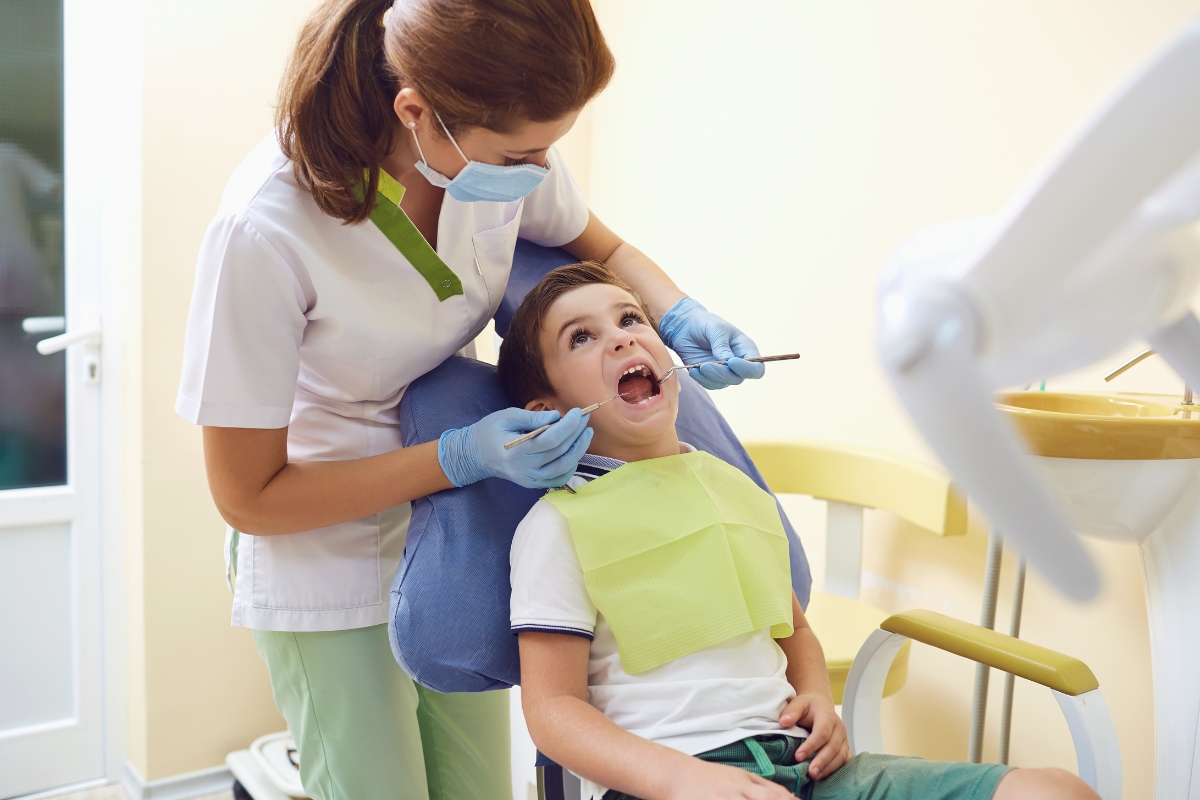
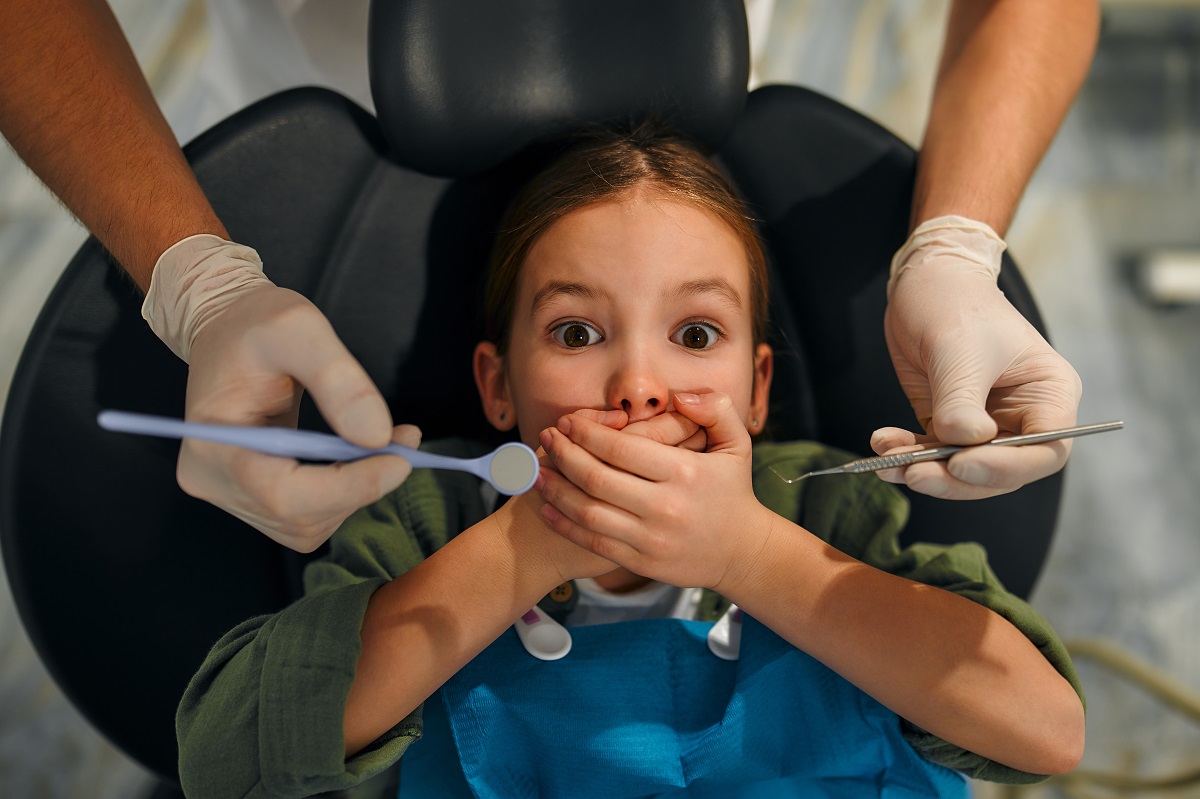
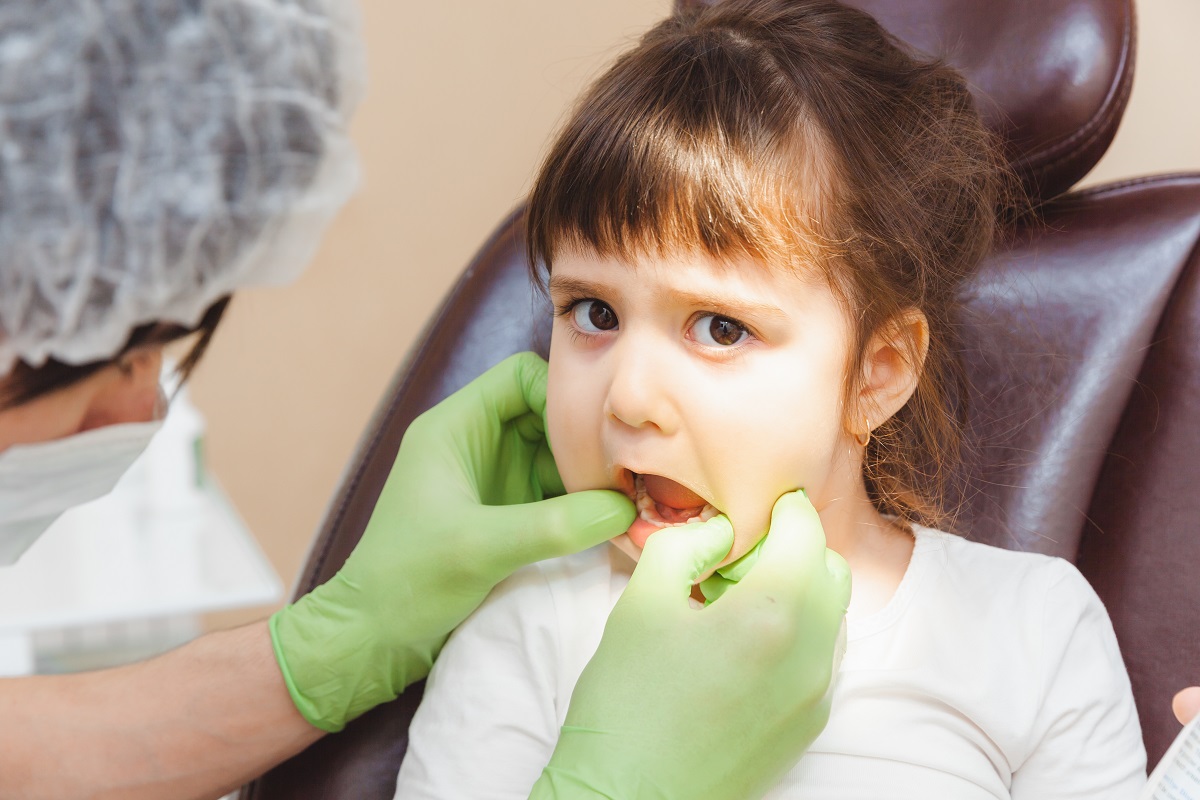
For many parents in Warrenton, Gainesville, Bealeton, and nearby communities, tooth pain seems to appear out of nowhere. One minute your child is eating dinner or enjoying a snack after soccer practice, and the next they are holding their mouth, refusing to chew, or suddenly crying because “something hurts.” In some cases, the issue may be as simple as food trapped between teeth, but that does not always mean it should be ignored.
At Woodside Pediatric Dentistry, Dr. Jennifer Woodside takes a calm, child-focused approach to dental concerns, especially situations that feel urgent for parents. With extensive experience treating children of different ages and comfort levels, Dr. Woodside helps families understand what may be causing discomfort and when a same-day evaluation makes sense.
If your child is uncomfortable or unable to eat because something feels stuck between their teeth, call our urgent dental care line at 540-341-0014 for guidance. Many cases improve with safe home care, but persistent pain sometimes points to a deeper issue that needs professional attention.
When food gets stuck, why can it hurt so much?
Parents are often surprised by how painful trapped food can be for children. After all, it seems like a small problem.
What happens is fairly simple. Food can become tightly wedged between teeth and press against the gums. Fibrous foods like meat, popcorn hulls, chips, apples, candy, or sticky snacks tend to cause problems more often. The gum tissue between teeth is sensitive, especially in children, so even a tiny piece of food can create soreness or inflammation.
Sometimes kids describe it as “something poking me.” Others may say their tooth hurts when biting down.
However, pediatric dentists often notice another pattern. When food repeatedly gets stuck in the same spot, there may already be something else happening, such as:
- A cavity forming between teeth
- Teeth shifting as permanent teeth erupt
- A loose dental filling or damaged restoration
- Tight spacing that traps food more easily
- Gum irritation from brushing or flossing difficulties
This is why discomfort that keeps returning deserves attention.
What should parents try first at home?
The safest first step is usually gentle flossing.
Avoid forcing floss aggressively, especially if your child is already in pain. Move the floss carefully between the teeth and slide it out rather than snapping it against the gums.
You can also have your child rinse with warm water to loosen debris.
One mistake pediatric dentists commonly see is parents reaching for tweezers, toothpicks, safety pins, or other household objects. Even plastic tools marketed for teeth can irritate gums if used incorrectly. Sharp or metal objects can accidentally injure soft tissue or push debris farther into the gumline.
If your child becomes increasingly uncomfortable or you cannot remove the object safely, a visit to a kids emergency dentist in Warrenton for tooth pain after food gets stuck may help determine whether the problem is simply trapped debris or something more complex.
A detail many parents miss: pain after the food is gone
Sometimes parents successfully remove the food, but their child still says the tooth hurts.
This does not automatically mean something serious is wrong.
Gums that have been irritated for several hours can stay sore temporarily, much like skin that has been scratched. Mild tenderness for a short time may settle down.
But dentists often pay attention to how the pain behaves.
For example:
- Does your child still avoid chewing on one side?
- Is there swelling around the gums?
- Does pain return every time they eat?
- Is there sensitivity to cold drinks?
- Did bleeding happen during flossing?
Persistent discomfort can occasionally reveal an early cavity hiding between teeth, especially because these areas are difficult for parents to see at home.
Why some foods seem to trigger this repeatedly
Parents sometimes notice a pattern.
“It always happens after popcorn.”
“Every time they eat chicken, that tooth hurts.”
“There is one spot where food always gets stuck.”
This repeated food trapping can be an important clue.
During pediatric dental exams, dentists sometimes find that newly erupting permanent molars create temporary spacing changes. In other cases, tight contacts between teeth trap food more aggressively. Less commonly, decay between teeth changes how food packs into the area.
Children who rush meals or chew mostly on one side can also experience recurring irritation.
Interestingly, many kids do not describe gum pain clearly. Instead of saying, “something is stuck,” they may simply say, “my tooth hurts,” which can make parents worry about cavities or infection immediately.
When should this feel more urgent?
Most food impaction problems are uncomfortable, not dangerous.
Still, there are situations where waiting too long may make things harder for your child.
Consider contacting a dentist sooner if you notice:
- Pain that continues after gentle flossing
- Swelling around the gums or cheek
- Trouble eating or drinking normally
- Bleeding that does not stop easily
- Bad taste or odor from the area
- A child waking up at night from pain
- Repeated complaints in the same location
Dentists frequently observe that younger children may minimize discomfort during the day and then suddenly struggle at bedtime when distractions are gone.
If symptoms worsen quickly or your child cannot tolerate chewing, seeing a kids’ emergency dentist may help prevent unnecessary discomfort and identify hidden dental issues early.
“I can’t see anything stuck. Could it still be food?”
Yes.
One challenge for parents is that food can sit deep below the contact point between teeth and remain completely invisible.
Dentists sometimes remove debris that families never realized was still present.
In other situations, nothing is trapped anymore, but inflammation remains from earlier irritation. Occasionally, an X-ray reveals a cavity between teeth that was creating the pain all along.
This is especially common when discomfort keeps happening in exactly the same area.
The biggest mistake parents make in these situations
Many parents understandably assume, “It will probably work itself out.”
Sometimes it does.
But pediatric dentists often notice that children who repeatedly complain after meals may have been showing early warning signs for weeks before a parent realizes there is a pattern.
A child avoiding crunchy foods, chewing on one side, or suddenly asking for softer foods may be quietly compensating for discomfort.
The goal is not to panic. It is simple to notice patterns early enough to avoid bigger problems later.
Helping Your Child Feel Better Faster
At Woodside Pediatric Dentistry, Dr. Jennifer Woodside understands that dental discomfort can feel overwhelming for both children and parents. Whether something is visibly stuck, pain will not go away, or you are unsure if the problem is urgent, our team can help evaluate the situation and recommend the safest next step. Call 540-341-0014 or visit our dental practice in Warrenton, VA, if your child is uncomfortable or you need guidance.
When children suddenly complain about pain after eating, it is easy to assume the problem is minor or temporary. Sometimes it is. But recurring discomfort, ongoing pain, or signs that eating has become difficult may point to something more than trapped food. We believe paying attention to those early clues helps families avoid unnecessary discomfort and get children back to feeling comfortable sooner.