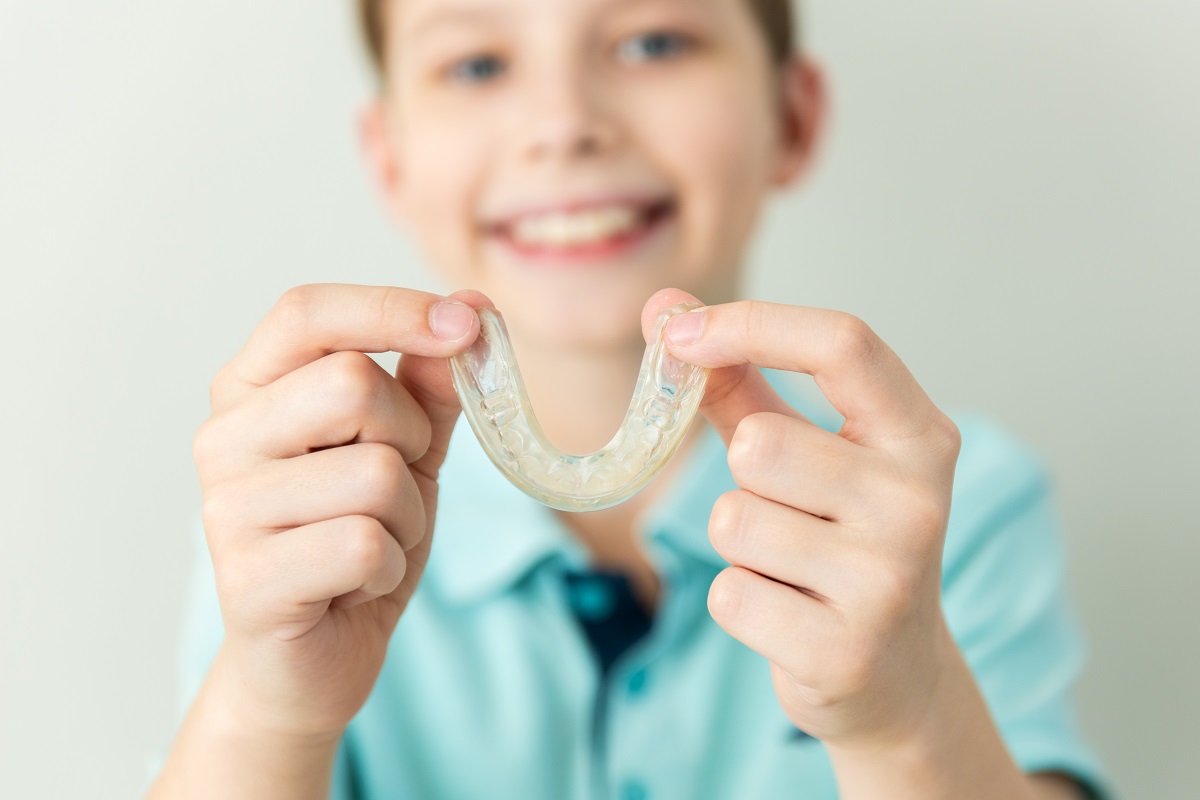
Invisalign for Kids: The Eating Mistakes That Can Delay Treatment


Parents in Warrenton and nearby communities often choose clear aligners because they seem simpler than braces, especially when it comes to food. The assumption is straightforward: if the trays are removable, kids can eat whatever they want without restrictions. In practice, that’s only partially true, and it’s where many treatments quietly fall off track.
At Woodside Pediatric Dentistry, we routinely see cases where progress slows down, not because the aligners failed, but because everyday eating habits weren’t aligned with how the system actually works.
Dr. Jennifer Woodside leads a patient-centered approach focused on prevention, education, and realistic compliance strategies for children. Her experience in pediatric behavior patterns allows her to anticipate where kids struggle most and guide families toward predictable, successful outcomes.
If you’re noticing habits that may be slowing progress, schedule a visit with us for practical guidance to keep treatment on track.
The Core Misunderstanding: “Removable Means No Rules”
One of the biggest misconceptions is that Invisalign removes all dietary limitations. Technically, kids can eat anything they want, but only if aligners are removed properly and worn consistently afterward.
The biology behind tooth movement is continuous and pressure-dependent. Aligners apply controlled force over time. When they’re out too often, that force becomes inconsistent, which directly affects how teeth respond.
What we observe clinically in our dental office in Warrenton, kids with Invisalign, is not a single major mistake but a pattern of small daily habits that collectively reduce effectiveness.
Mistake #1: Eating or Drinking with Aligners In
This is more common than parents expect, especially with younger patients or during school hours.
Kids may:
- Take quick bites without removing trays
- Sip juice or soda while wearing aligners
- Forget to remove aligners during snacks
Why this matters:
- Food pressure can warp or crack trays
- Sugars get trapped between aligners and teeth, increasing cavity risk
- Staining affects tray clarity and hygiene
- Bacteria exposure increases significantly
In several cases, we’ve had to replace aligners earlier than planned due to distortion from chewing. Even slight deformation can reduce how accurately teeth are guided.
Mistake #2: Frequent Snacking Without Re-inserting Aligners
This is one of the most overlooked behavior patterns.
Kids tend to snack throughout the day, especially:
- After school
- During screen time
- Between activities
Each time aligners are removed, they need to go back in promptly. What often happens instead is:
- Aligners stay out for extended periods
- Kids forget to reinsert them
- Total wear time drops below the recommended threshold
Clinical reality:
For Invisalign to work effectively, aligners must be worn 20 to 22 hours per day. Even dropping to 16 to 18 hours consistently can slow tooth movement and lead to tracking issues.
Mistake #3: Skipping Cleaning After Meals
Many families assume rinsing is enough. It’s not.
When kids eat and immediately put aligners back in without brushing:
- Food particles remain trapped
- Plaque builds up quickly
- Risk of decalcification and cavities increases
We’ve seen early enamel damage develop during aligner treatment, not because of the aligners themselves, but because oral hygiene routines weren’t adjusted.
We observes this condition becomes especially relevant for patients undergoing Invisalign treatment in Warrenton, particularly when dietary habits include frequent snacking or sugary beverages.
Mistake #4: Stretching “Quick Meals” into Long Breaks
Kids rarely perceive time the same way adults do.
What starts as:
“I’ll just take them out for a quick snack”
Turns into:
- 45 minutes without aligners
- Followed by another snack shortly after
This fragmented wear schedule is one of the biggest hidden causes of delayed treatment.
From a biological standpoint, teeth begin to rebound slightly when pressure is removed for extended periods. Over time, this inconsistency reduces efficiency and may require refinements.
Mistake #5: Treating Aligners Casually (Loss or Damage During Meals)
Food-related routines are the most common time aligners get lost or damaged.
Typical scenarios:
- Wrapped in napkins and thrown away
- Left on lunch trays
- Stored improperly in pockets or bags
Beyond inconvenience, this creates gaps in wear time while replacements are arranged. Even a few days without aligners can impact progress depending on the stage of treatment.
Mistake #6: Assuming “Healthy Foods” Are Always Safe
Parents often focus on sugar, but texture matters just as much.
Even when aligners are removed:
- Very hard foods can stress attachments when biting down
- Sticky foods increase the chance of residue if brushing is skipped
- Acidic foods combined with poor hygiene increase enamel vulnerability
The issue isn’t the food itself, but what happens before and after eating.
What Actually Works: Realistic Eating Habits That Keep Treatment on Track
Instead of rigid rules, successful cases follow a few consistent patterns:
- Meals are grouped instead of constant snacking
- Aligners are removed only when necessary and reinserted quickly
- Brushing is prioritized before putting trays back in
- Water becomes the default drink between meals
- Kids build a routine around school and activities
Families who treat Invisalign as a structured system rather than a flexible option tend to see smoother, faster progress.
When Eating Habits Start Affecting Results
Parents often ask when they should be concerned. The early signs are subtle:
- Aligners feeling tighter than expected when switching
- Trays not fitting fully or “lifting” in certain areas
- Increased soreness beyond normal adjustment periods
- Attachments becoming more noticeable due to misalignment
- Treatment timeline extending without clear explanation
These are usually not mechanical failures, but behavioral ones.
Help Your Child Stay on Track
If you’re noticing inconsistent wear, frequent snacking habits, or aligners not fitting as expected, it’s worth addressing early. At Woodside Pediatric Dentistry, we help families in Warrenton build realistic routines that keep treatment predictable and stress-free.
Schedule a consultation with us to evaluate progress, identify behavior patterns that may be slowing results, and get clear, practical guidance tailored to your child’s daily routine.
Managing eating habits during aligner treatment is less about restriction and more about consistency. When routines are structured and expectations are clear, kids adapt quickly and treatment progresses as planned. Our goal is to guide families toward habits that support steady results without creating unnecessary stress around food or daily life.