
Invisalign for Kids: First-Week Tips Every Parent Should Know

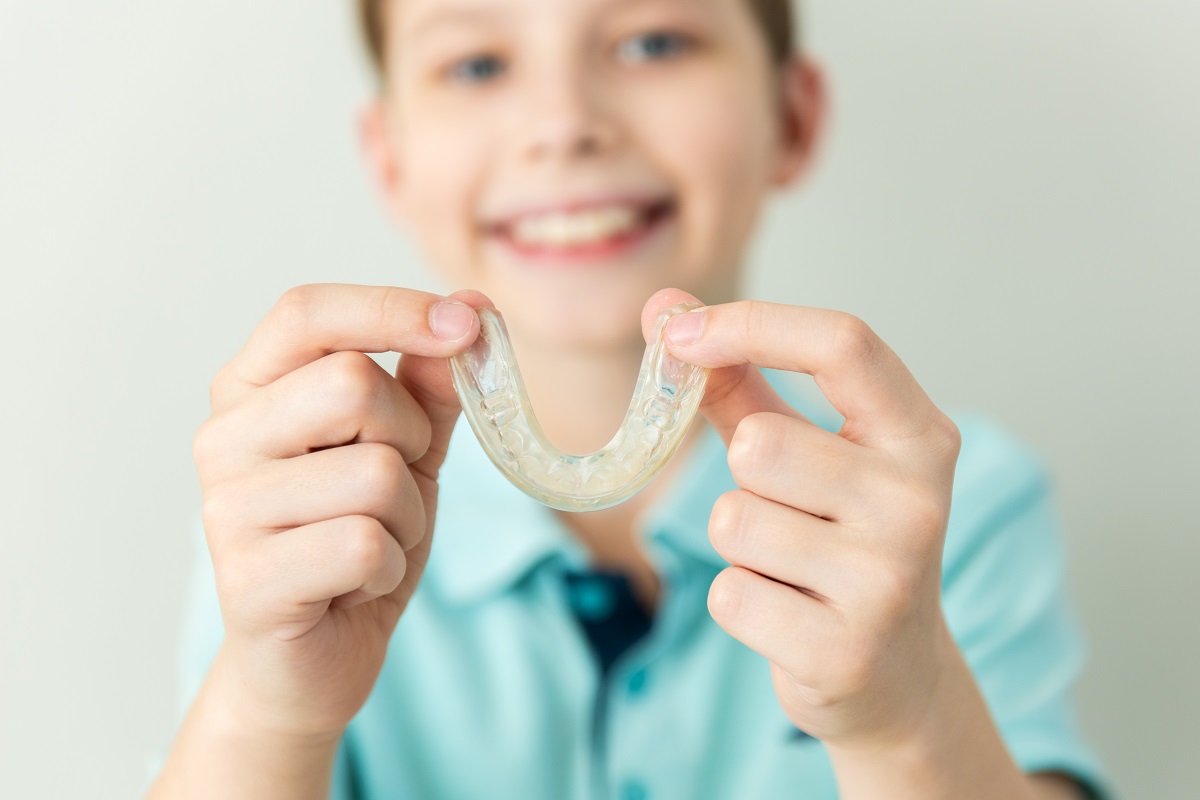
Most kids adjust to Invisalign more quickly than parents expect. During the first week, children may notice mild pressure on their teeth, temporary speech changes, or the urge to remove the aligners more often. These reactions are normal and usually improve within a few days. The key is helping your child build the right habits early because the first week often sets the tone for the rest of the treatment.
For many Warrenton families, the adjustment period raises questions. What if the aligners feel uncomfortable? What if a child forgets to wear them? How can parents make the transition easier? Understanding what happens during the first week can help children feel more confident and help treatment stay on track.
At Woodside Pediatric Dentistry, we help families understand every step of clear aligner treatment before it begins. As part of our commitment to evidence-based pediatric dental care, Dr. Jennifer Woodside provides guidance that helps children develop healthy habits from day one. If you’re looking for a perfect treatment for your little ones’ orthodontic issues, schedule a consultation for a personalized evaluation and discussion of treatment options.
Why Is the First Week of the Treatment So Important?
The first week helps children develop the habits that determine how smoothly treatment progresses. Consistent wear, proper cleaning, and confidence with aligner removal often begin during these first several days.
From a clinical perspective, the first week is not simply about getting used to a new appliance. It is when the teeth, gums, tongue, and oral muscles begin adapting to aligner therapy.
Children who establish strong routines early are more likely to:
- Wear aligners for the recommended amount of time
- Avoid treatment delays
- Maintain better oral hygiene
- Prevent lost aligners
- Experience a smoother overall treatment process
Most parents in this Virginia town focus on comfort, but consistency is equally important. A child who learns proper habits during week one is typically more successful throughout treatment.
What Changes Are Normal During the First Few Days?
Mild pressure, temporary speech changes, and increased saliva production are common and expected. These effects usually improve as the mouth adapts to the aligners.
Mild Tooth Pressure Means the Aligners Are Working
Many children describe the feeling as tightness rather than pain.
This occurs because aligners apply carefully controlled force to specific teeth. That gentle pressure stimulates the natural biological process that allows teeth to move into healthier positions over time.
The sensation is often strongest during the first few days after starting a new set of aligners and usually becomes less noticeable as the teeth adjust.
Temporary Speech Changes Are Common
Some children develop a slight lisp when they first begin wearing aligners.
The tongue needs time to adapt to the new shape inside the mouth. Reading aloud, talking with family members, or practicing favorite songs often helps speech return to normal more quickly.
Extra Saliva Usually Goes Away Quickly
The mouth initially recognizes aligners as something new.
As a result, children may notice increased saliva production during the first several days. This response typically disappears as the brain learns that the aligners are a normal part of the oral environment.
How Can Parents Make the Transition Easier?
Children adjust more successfully when Invisalign becomes part of a predictable daily routine rather than an occasional responsibility.
Kids thrive when expectations are clear.
One of the most effective approaches is connecting aligner care to activities that already happen every day.
| Daily Activity | Invisalign Habit |
|---|---|
| Wake up | Confirm aligners are in place |
| Breakfast | Remove aligners before eating |
| After meals | Brush and reinsert aligners |
| School lunch | Store aligners in the protective case |
| Evening activities | Check wear time consistency |
| Bedtime | Clean aligners before sleeping |
Let Your Child Choose Reminder Methods
Children often respond better when they help create the routine.
Options include:
- Smartwatch reminders
- Phone alarms
- Visual calendars
- Sticker charts
- Treatment-tracking apps
Giving children ownership over the process often improves long-term compliance.
What If Your Child Does Not Want to Wear Invisalign?
Resistance during the first few days is common. Most children become comfortable with aligners once they establish a routine and realize the discomfort is temporary.
Parents should avoid turning aligner wear into a daily battle.
Instead:
Focus on Positive Reinforcement
Praise consistency rather than perfection. Recognizing small successes often produces better results than criticizing missed work time.
Explain the Purpose
Children are more cooperative when they understand why treatment matters. Discuss how aligners help create a healthier smile, improve bite function, and support long-term oral health.
Celebrate Early Milestones
The first full day, first successful week, and first aligner change are meaningful achievements for younger patients. Small celebrations can reinforce positive behavior and build confidence.
Families exploring Invisalign for kids in Warrenton often discover that encouragement and consistency are more effective than strict enforcement.
Why Does My Child Have Small Tooth-Colored Attachments?
Some children receive small tooth-colored attachments that help aligners grip teeth more effectively and create precise tooth movements.
Parents sometimes notice tiny bumps attached to certain teeth and worry that something is wrong.
These attachments are completely normal.
They help:
- Improve aligner retention
- Guide difficult tooth movements
- Increase treatment efficiency
- Improve overall treatment predictability
Most children stop noticing the attachments after a few days. They blend naturally with the tooth surface and are removed when treatment is complete.
Which Foods Help During the First Week?
Softer foods can make the adjustment period more comfortable while teeth adapt to aligner pressure.
Good options include:
- Yogurt
- Oatmeal
- Smoothies
- Scrambled eggs
- Pasta
- Rice dishes
- Soup
- Soft fruits
Children can still enjoy their favorite meals, but softer choices may feel more comfortable immediately after beginning treatment or switching to a new aligner.
Many local families balancing school schedules, sports practices, and weekend outings around Old Town appreciate having easy meal options available during those first few adjustment days.
How Can Kids Avoid Losing Their Aligners?
Consistent storage habits are the best defense against lost aligners.
One simple rule prevents most problems:
If Aligners Are Not In the Mouth, They Belong In the Case
Children should never:
- Wrap aligners in napkins
- Place them on lunch trays
- Store them in pockets
- Leave them on restaurant tables
- Set them on bathroom counters
Whether a child is attending after-school activities, visiting friends, or enjoying family time around Main Street, carrying a protective case significantly reduces the risk of misplaced trays.
For families considering clear aligners for children in Warrenton, learning proper storage habits early can prevent unnecessary interruptions to treatment.
How Does Invisalign Fit Into Sports and Everyday Activities?
Invisalign for kids is designed to fit comfortably into most school, sports, and extracurricular routines.
Many parents worry that orthodontic treatment will disrupt daily life.
In reality, children can generally continue:
- School activities
- Sports participation
- Music lessons
- Social events
- Family gatherings
- Extracurricular programs
Because aligners are removable, children can take them out before meals and oral hygiene routines, making treatment easier to manage than many parents expect.
What Oral Hygiene Habits Matter Most During Treatment?
Consistent brushing, flossing, and aligner cleaning help protect teeth throughout orthodontic treatment.
According to the Centers for Disease Control and Prevention (CDC), more than half of children ages 6 to 8 have experienced a cavity in at least one primary tooth. Good oral hygiene remains essential during orthodontic treatment because plaque can accumulate around teeth if brushing habits become inconsistent.
Brush Before Reinserting Aligners
Food debris trapped beneath aligners can increase plaque accumulation. Brushing after meals helps maintain healthier teeth and gums.
Stay Hydrated
Water supports saliva production and helps keep the mouth comfortable. It is also the safest beverage to consume while wearing aligners.
Clean Aligners Daily
Regular cleaning helps maintain freshness and clarity while reducing bacterial buildup.
When Should Parents Contact the Dental Office?
Mild discomfort is normal, but significant pain, damaged aligners, or persistent fit problems should be evaluated promptly.
Contact your provider if your child experiences:
- Severe or worsening pain
- Cracked aligners
- Lost aligners
- Significant gum irritation
- Aligners that no longer fit correctly
- Difficulty removing trays after repeated attempts
Early intervention can help prevent treatment disruptions and provide reassurance when questions arise.
Help Your Child Start Invisalign With Confidence
The first week does not need to be perfect. Children may forget to replace aligners after lunch, struggle with removal at first, or feel mild pressure as treatment begins. These experiences are common and usually temporary.
What matters most is building strong habits early and having professional guidance available whenever questions arise. Small adjustments during the first week often lead to smoother treatment and more predictable results in the months ahead.
If your child is preparing to begin orthodontic treatment, schedule a personalized evaluation at Woodside Pediatric Dentistry and visit our Warrenton dental practice. Every child deserves a customized treatment plan designed around their unique oral development and long-term smile goals. So why delay? Book your child’s orthodontic consultation today to help support a healthy, well-aligned smile for life.