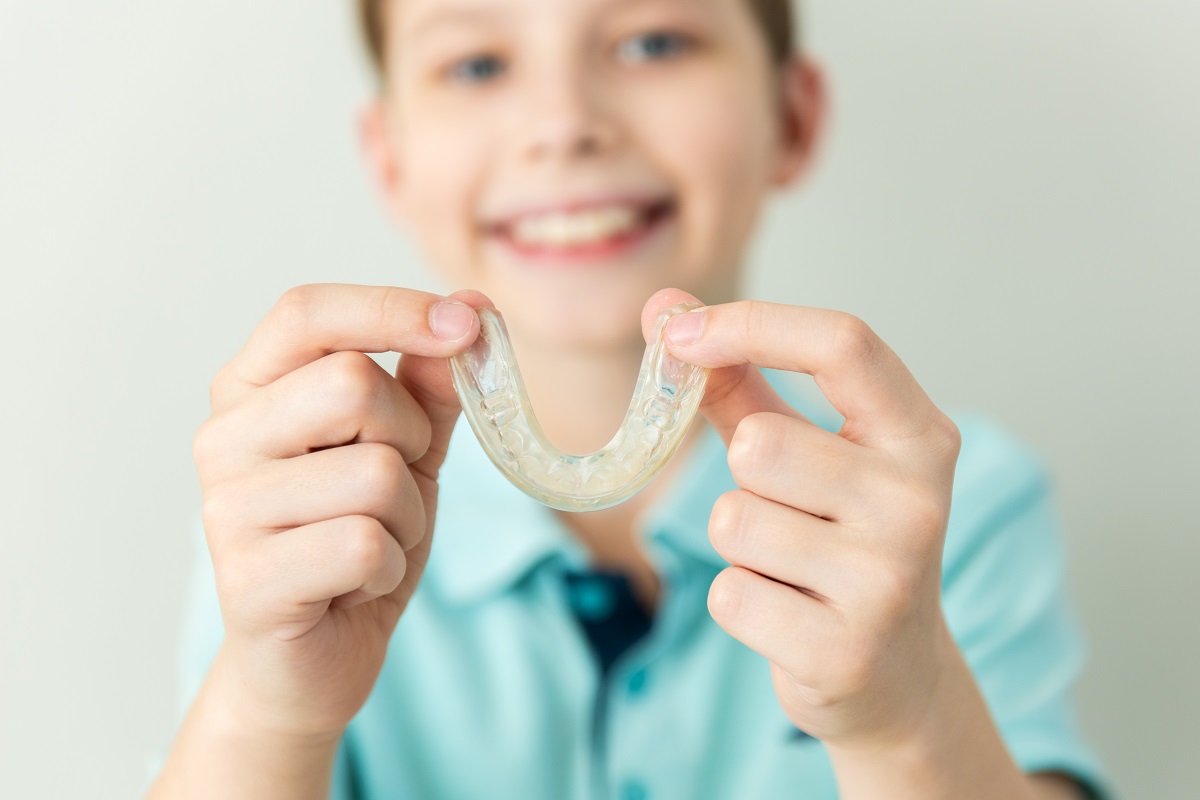
Will Invisalign Affect My Child’s Speech or Confidence? What Parents Should Know


In Warrenton and nearby communities, it’s common for parents to weigh orthodontic options carefully, especially when it comes to how treatment might affect their child’s daily life. Questions about speech changes, school interactions, and confidence often come up during consultations. After all, kids are constantly talking, learning, and socializing, so even small changes can feel significant.
If you’ve been considering clear aligners for your child, understanding what to expect can make the decision much easier. This guide walks through how aligners may influence speech and confidence, what’s temporary, and how families in the Warrenton area typically navigate the transition.
Do Clear Aligners Affect a Child’s Speech?
Short Answer
Yes, but usually only for a short period.
Most children experience a brief adjustment phase when they first start wearing aligners. Because the trays sit over the teeth, they can slightly alter how the tongue moves when forming certain sounds.
What Changes Might You Notice?
- A mild lisp, especially with “s” or “th” sounds
- Slight difficulty pronouncing words clearly in the first few days
- Increased awareness of how they speak
These changes are typically temporary. As the tongue adapts to the aligners, speech patterns return to normal, often within a few days to a couple of weeks.
Why Does This Happen?
Speech relies on precise coordination between the tongue, teeth, and palate. When aligners are introduced, they subtly change that environment. The brain and muscles quickly adjust, which is why children often adapt faster than adults.
How Long Does the Speech Adjustment Last?
For most children:
- First 24–72 hours: Most noticeable difference
- Within 1 week: Significant improvement
- Within 2 weeks: Speech usually feels completely normal
Encouraging your child to talk, read aloud, or practice conversations can actually speed up this adjustment process.
Can Invisalign Cause Speech Problems in Children?
Clear aligners can cause mild, temporary speech changes in children, such as a slight lisp. These effects typically resolve within one to two weeks as the child adapts. Consistent wear and regular speaking help speed up the adjustment process, and long-term speech issues are not expected.
Will Aligners Affect My Child’s Confidence?
The Short Answer: In most cases, aligners have a neutral or positive impact on confidence.
Why Many Kids Feel Comfortable with Aligners
- Discreet appearance: Aligners are nearly invisible, which can reduce self-consciousness
- No brackets or wires: Fewer concerns about appearance during school or activities
- Removability: Kids can take them out briefly for presentations or special events
For families exploring Invisalign treatment in Warrenton, this discreet design is often a key reason they choose aligners over traditional braces.
Situations Where Confidence Might Dip (Temporarily)
While many children adjust quickly, some may feel unsure at first:
- During the speech adjustment phase
- If friends notice and ask questions
- When remembering to wear aligners consistently at school
These concerns are usually short-lived. Once children become familiar with the routine, aligners tend to fade into the background of daily life.
How Parents Can Support Their Child
1. Normalize the Adjustment Period
Let your child know that minor speech changes are expected and temporary. This reassurance reduces anxiety early on.
2. Encourage Practice
Reading out loud, talking with family, or even singing can help children adapt faster.
3. Build Routine Confidence
Help your child develop habits like:
- Keeping their aligner case handy
- Following a consistent wear schedule
- Cleaning aligners regularly
4. Focus on Long-Term Benefits
Remind your child that aligners are part of a process that improves dental alignment and function over time, not just appearance.
Families considering Invisalign near Warrenton often find that once children understand the purpose and process, their confidence naturally grows.
Are Aligners Better Than Braces for Confidence?
It depends on the child, but many parents report that aligners:
- Draw less attention
- Reduce teasing or unwanted comments
- Feel more comfortable in social settings
However, aligners do require responsibility. Children need to wear them consistently (typically 20–22 hours per day), which can be a learning curve.
When to Talk to Your Dentist
You should consult your child’s dental provider if:
- Speech issues persist beyond two weeks
- Your child feels ongoing discomfort while speaking
- Confidence concerns don’t improve with time
A personalized evaluation ensures that the treatment is progressing as expected and that your child feels supported throughout the process.
Why This Matters for Growing Kids
Orthodontic treatment during childhood isn’t just about alignment; it intersects with communication, social development, and daily routines. Choosing an option that fits your child’s lifestyle can make a meaningful difference in how they experience treatment.
Helping Your Child Feel Comfortable Every Step of the Way
If you’re considering clear aligners for your child, understanding the short-term adjustments and long-term benefits can help you make an informed decision. Most children adapt quickly, and with the right support, the experience becomes a normal part of their routine.
At Woodside Pediatric Dentistry, the focus is on making orthodontic care approachable and manageable for both children and parents. If you have questions about whether aligners are the right fit, schedule a consultation to explore options and get personalized guidance for your child’s needs.