What Age Is Best for Invisalign for Kids? A Guide for Warrenton Parents

Parents in Warrenton often wonder whether they’re starting orthodontic care too early or waiting too long. Maybe your child’s adult teeth are coming in unevenly, or your dentist mentioned bite alignment at a routine visit. These moments can raise questions about timing, comfort, and whether clear aligners are appropriate for growing children.
Local families also balance school schedules, sports, and social confidence when considering orthodontic care. Understanding the right age for treatment helps you plan, avoid unnecessary delays, and ensure your child’s oral development stays on track. This guide explains timing, readiness signs, safety, and practical considerations so you can make an informed decision.

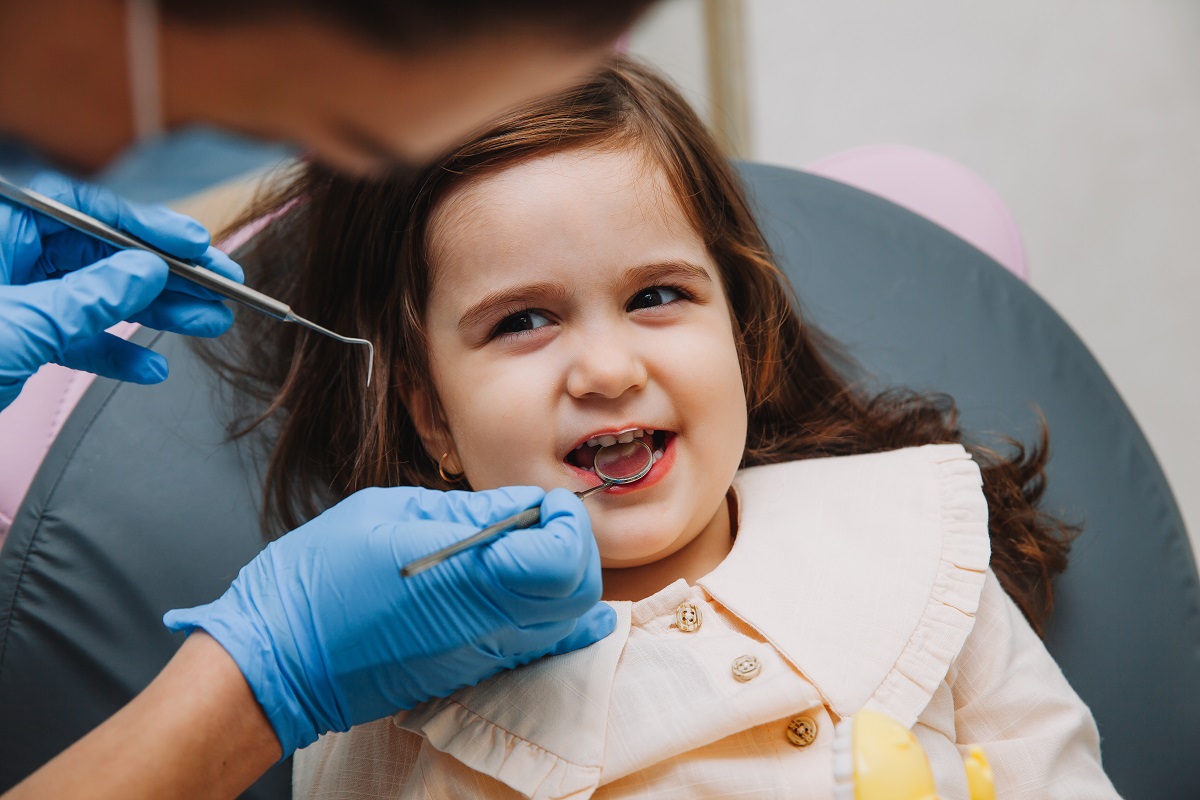
At Woodside Pediatric Dentistry, children’s care centers on growth, development, and comfort. Pediatric dentists receive advanced training beyond dental school to support oral health from infancy through adolescence, a standard recognized by the American Dental Association.
Dr. Jennifer Woodside has served local families since 2003, creating a calm environment where kids feel at ease. Her approach focuses on individualized care so each child’s developmental stage guides treatment decisions.
If you’re considering orthodontic options, scheduling an evaluation allows you to understand whether aligners or another approach fits your child’s needs right now.
What Age Is Typically Recommended for Invisalign?
Most children become candidates between ages 7 and 14, but the ideal timing depends on dental development rather than age alone. Orthodontists often recommend an initial evaluation around age 7 because this is when permanent teeth begin emerging, and jaw growth patterns become easier to assess.
Children may be eligible for clear aligners when they:
- Have most permanent teeth erupted
- Can follow wear instructions responsibly
- Demonstrate consistent oral hygiene habits
- Show orthodontic concerns such as crowding or spacing
For some kids, starting earlier supports jaw guidance. Others benefit from waiting until more adult teeth appear.
Why Timing Matters More Than Age
Orthodontic care works best when treatment matches growth stages. Beginning too early can prolong treatment, while starting too late may limit correction options. Pediatric dental professionals evaluate:
- Tooth eruption sequence
- Bite relationship
- Jaw growth direction
- Oral habits (thumb sucking, tongue thrusting)
These factors, not just birthdays, determine readiness.
Signs Your Child May Be Ready for Clear Aligners
Parents often notice early indicators before a formal diagnosis. Consider an orthodontic consultation if your child has:
- Teeth that overlap or rotate
- Difficulty biting or chewing
- Speech challenges linked to alignment
- Early or late loss of baby teeth
- Frequent cheek or lip biting
When these signs appear, scheduling a consultation for Invisalign for kids in Warrenton can help determine whether your child needs active treatment or simple observation at this stage.
How Clear Aligners Help Children
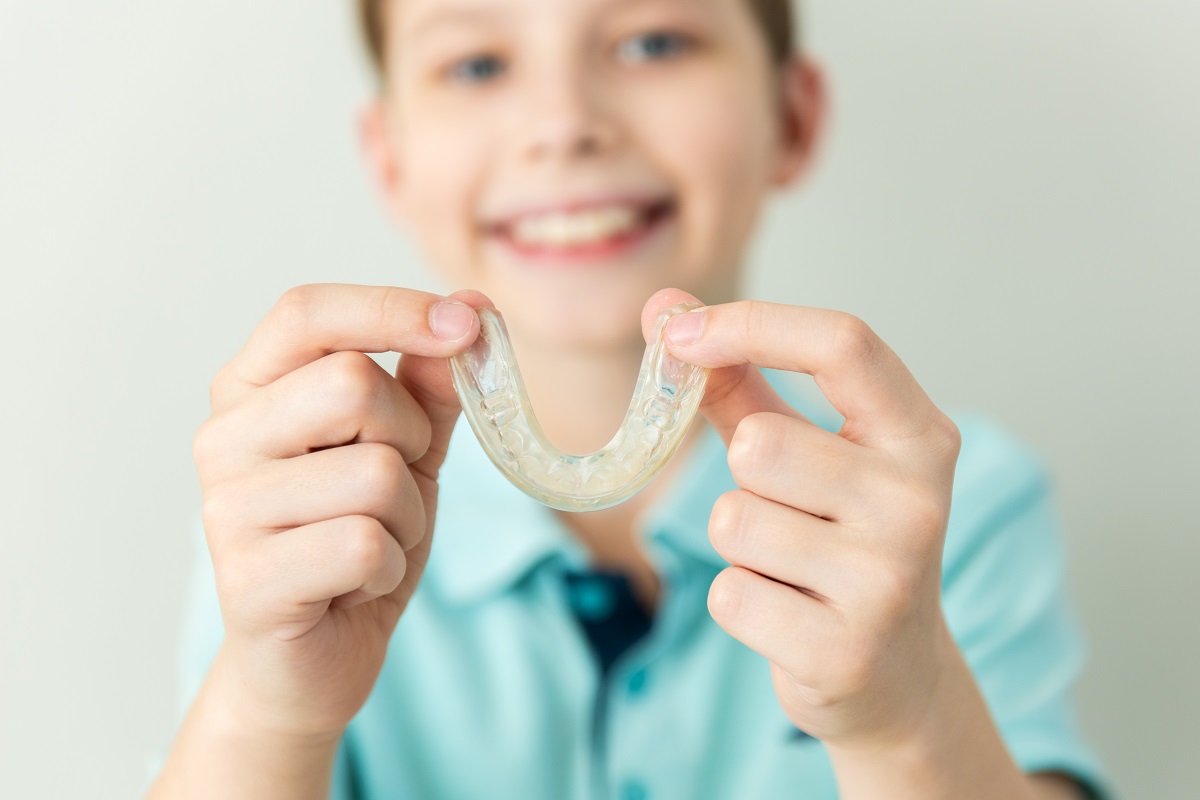
Unlike metal brackets, aligners from Align Technology use smooth, BPA-free thermoplastic trays customized for each child’s mouth. They gradually shift teeth using controlled force mapped through digital planning.
Benefits parents often appreciate:
- Removable trays allow easier brushing and flossing
- No sharp wires to irritate soft tissue
- Fewer dietary restrictions
- Reduced emergency visits for broken hardware
For active children, removable aligners may also reduce the risk of oral injury during sports.
Safety and Comfort Considerations
Clinical literature consistently shows that Invisalign treatment is safe when prescribed and monitored by dental professionals. Mild pressure is common during the first days of each new tray, which signals that teeth are moving as intended. Compared with traditional braces, many children report less irritation.
Parents should ensure their child:
- Wears aligners 20–22 hours daily
- Cleans trays regularly
- Stores aligners safely during meals
Supervision is important for younger patients, especially those under the age of 10.
What is the best age for kids to start Invisalign?
Answer:
The best age for children to start Invisalign is usually between 7 and 14, depending on dental development rather than age alone. Dentists evaluate tooth eruption, jaw growth, and bite alignment to determine readiness. Some children benefit from early treatment, while others should wait until more permanent teeth emerge.
Early vs. Late Treatment — What Parents Should Know
Starting Early
Early intervention may guide jaw growth, reduce crowding, and lower the need for complex procedures later. It is often recommended when bite issues affect function or development.
Waiting Until Adolescence
If alignment problems are mild, monitoring growth before starting treatment can shorten total orthodontic time. Many preteens begin orthodontics with aligners once most permanent teeth have erupted.
Are Clear Aligners Effective for Kids?
Research shows that aligners can correct many orthodontic concerns in children and teens, including:
- Mild to moderate crowding
- Spacing issues
- Certain bite irregularities
However, complex skeletal discrepancies may still require alternative orthodontic approaches. A clinical evaluation determines candidacy.
Responsibility Checklist for Parents
Before starting treatment, ask yourself:
- Can my child keep track of removable appliances?
- Will they follow the wear instructions consistently?
- Are they motivated to complete treatment?
Success with invisalign warrenton cases often depends on cooperation as much as clinical planning.
When to Schedule a Consultation
If your child shows signs of alignment concerns or you simply want reassurance about their development, a pediatric dental evaluation can provide clarity. Early guidance often prevents more complicated treatment later. Visit Woodside Pediatric Dentistry in Warrenton, VA, today or schedule an orthodontic assessment and learn whether clear aligners are appropriate for your child’s stage of growth.