Your Child’s New Teeth Look Yellow—Should You Worry

When Parents First Notice Yellow Teeth
It’s a moment almost every parent experiences: your child’s first few adult teeth begin to appear—and they look surprisingly yellow next to their baby teeth. Before you worry, know this is a very common and natural transition. The color difference usually comes down to how enamel and dentin develop, not necessarily poor brushing or hygiene.
Why Do Permanent Teeth Look More Yellow?
Permanent teeth have a thicker layer of dentin, the yellowish tissue beneath the enamel. While baby teeth appear bright white due to thinner enamel, adult teeth reflect more of the dentin’s natural tone. This can make them appear darker, especially when both tooth types are side by side during the mixed dentition phase (ages 6–12).
Other contributing factors may include:
- Natural tooth color variation – Everyone’s enamel shade is slightly different.
- Enamel transparency – Permanent enamel is less opaque, allowing dentin’s hue to show through.
- Lighting conditions – Fluorescent or bathroom lighting can exaggerate yellow tones.
When Yellow Teeth Might Signal an Issue
While mild yellowing is usually normal, certain signs may indicate a deeper concern. Schedule a dental visit if you notice:
- Persistent stains that don’t improve with regular brushing.
- Brown or gray discoloration instead of uniform yellow.
- Chalky white or rough spots suggesting early enamel damage.
- Tooth sensitivity or discomfort when eating hot or cold foods.
These symptoms can be linked to enamel hypoplasia, early decay, or even medication-related staining, all of which require professional evaluation.
Healthy Habits to Keep Permanent Teeth Bright
Parents can help kids maintain healthy smiles with consistent home care and professional guidance. Encourage:
- Brushing twice a day with a pea-sized amount of fluoride toothpaste.
- Using soft-bristled brushes suitable for smaller mouths.
- Rinsing after snacks or sugary treats to reduce acid exposure.
- Regular dental checkups for cleanings and fluoride treatments.
Pro Tip: Kids often need help brushing until about age 8 to ensure all surfaces are cleaned properly.
When to Visit a Children’s Dental Specialist
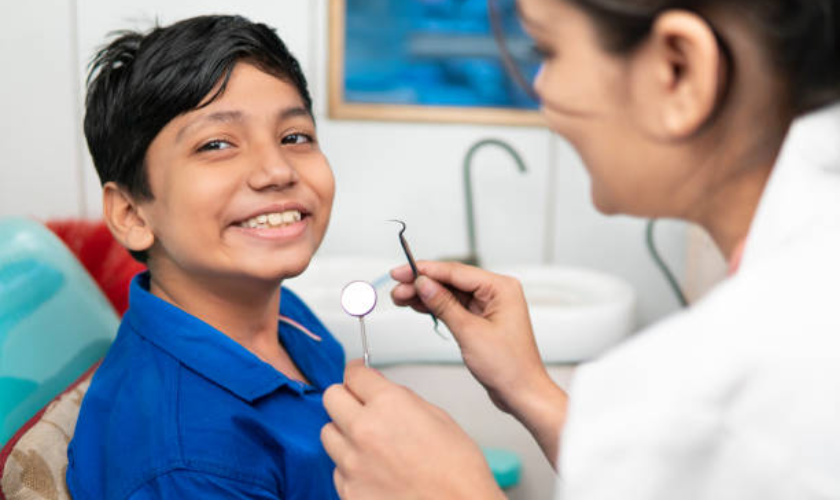
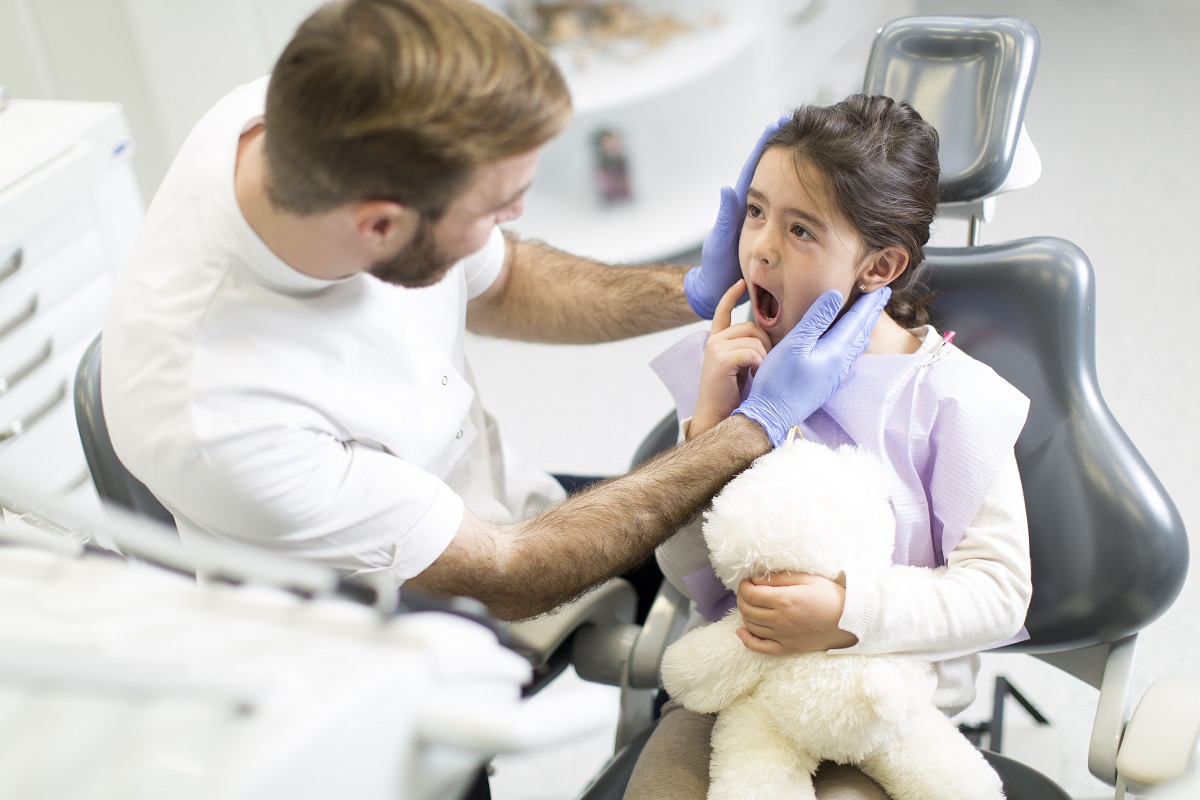
If you’re uncertain whether your child’s yellow teeth are normal, it’s best to schedule a routine dental evaluation. A children’s oral care provider can determine if the color difference is simply developmental or due to external factors like diet, medication, or early staining.
During the visit, the dentist may:
- Compare enamel thickness and natural shade.
- Review your child’s brushing habits and fluoride exposure.
- Offer gentle cleaning or polishing if mild stains are present.
This proactive approach ensures your child’s smile stays healthy as their adult teeth continue to erupt.
Why Do Permanent Teeth Look Yellow in Kids?
Answer: Permanent teeth often appear yellow when they first come in because they have more dentin and thinner enamel than baby teeth. Dentin is naturally yellowish, and as permanent teeth replace whiter baby teeth, the color contrast makes them look darker. This is usually normal and not a sign of poor dental hygiene.
Building Confidence in Every Smile
Seeing yellowish teeth can be alarming, but in most cases, it’s simply part of your child’s natural dental development. Consistent brushing, healthy eating habits, and regular checkups help ensure those permanent teeth stay strong and bright for years to come.
Trusted Pediatric Dental Care in Warrenton, VA
If you’re still unsure whether your child’s yellow teeth are normal, the friendly team at Woodside Pediatric Dentistry is here to help. We specialize in creating a comfortable experience for young patients and providing expert guidance for parents.
Call today or schedule an appointment online to ensure your child’s smile stays healthy and confident from the start.