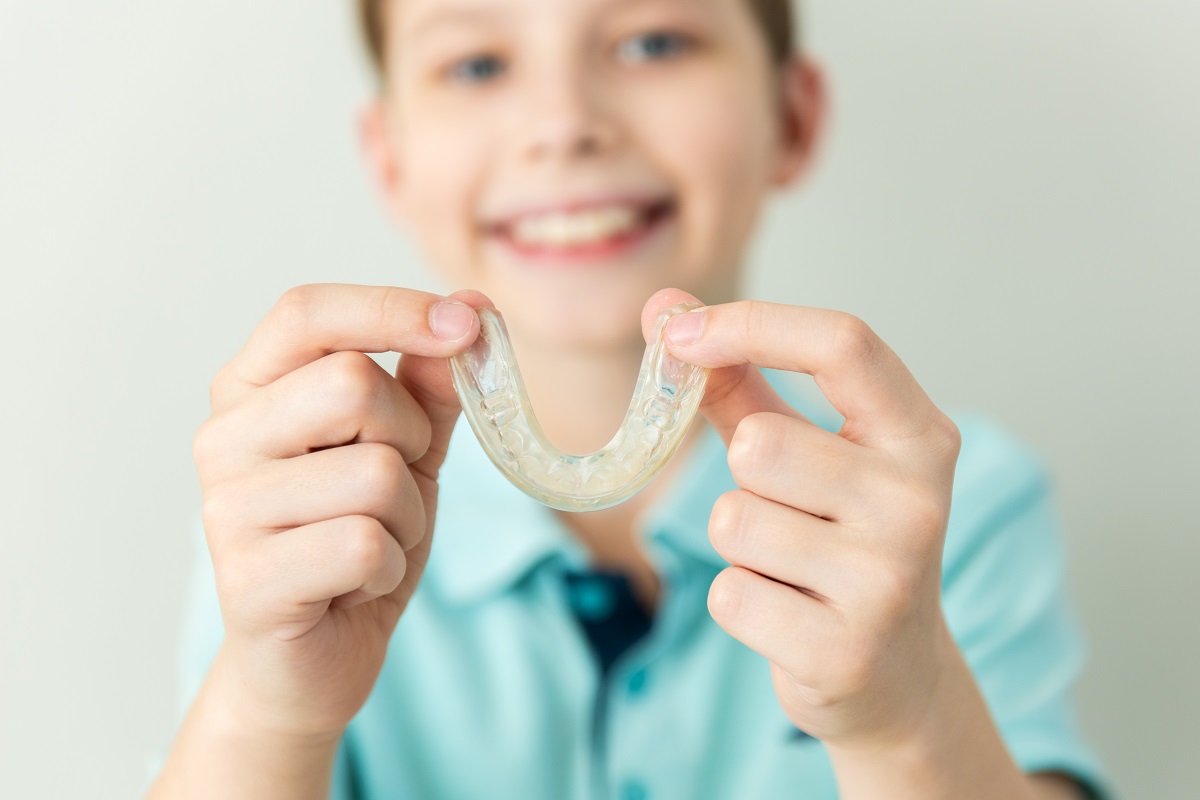
Why Invisalign Isn’t Always Suitable for Teens and Children


In recent years, Invisalign has become a popular orthodontic treatment, offering a discreet and comfortable alternative to traditional braces for adults. However, when it comes to teens and children, certain considerations and challenges make Invisalign not always the most suitable option. In this blog, we will explore the reasons why Invisalign may not be the best choice for younger patients and discuss alternative orthodontic solutions.
1. Compliance Challenges:
One of the primary reasons why Invisalign may not be ideal for teens and children is the issue of compliance. The success of Invisalign relies heavily on the patient’s ability to wear the aligners for at least 22 hours a day. Teens, in particular, may find it challenging to consistently adhere to this requirement due to various factors such as forgetfulness, peer pressure, or a lack of understanding about the importance of compliance.
2. Responsibility for Maintenance:
Invisalign aligners require proper maintenance to ensure their effectiveness. Younger patients may struggle with the responsibility of keeping the aligners clean and remembering to wear them consistently. The risk of losing or damaging the aligners is higher among children and teens, potentially leading to disruptions in the treatment process.
3. Stage of Dental Development:
Teens and children are still in the process of dental development, and their teeth may not have fully erupted. Invisalign works best when all permanent teeth are in place, and the roots are well-established. In cases where a child’s dental development is still ongoing, traditional braces or other orthodontic options may be more appropriate.
4. Complex Orthodontic Issues:
Invisalign is effective for mild to moderate orthodontic issues such as overcrowding, gaps, and minor misalignments. However, for more complex cases requiring significant tooth movement or bite adjustments, traditional braces may be a more suitable and effective solution. Orthodontic issues that involve substantial dental corrections often necessitate the precision and control that traditional braces provide.
5. Parental Involvement and Supervision:
Unlike traditional braces, Invisalign treatment requires a higher level of patient responsibility. Parents play a crucial role in ensuring their child’s compliance with Invisalign guidelines. The need for consistent parental involvement and supervision can be a deciding factor for families considering orthodontic treatment options for their children.
Alternative Orthodontic Solutions:
While Invisalign may not always be the best fit for teens and children, there are alternative orthodontic solutions that offer effective results:
- Traditional Braces: Traditional braces remain a reliable and effective option for correcting a wide range of orthodontic issues. They are particularly well-suited for cases requiring significant tooth movement or complex adjustments.
- Ceramic Braces: For a more discreet option compared to traditional metal braces, ceramic braces use tooth-colored or clear brackets, providing a less noticeable appearance while maintaining effectiveness.
- Lingual Braces: Lingual braces are placed on the back side of the teeth, making them virtually invisible. They are a suitable alternative for those seeking a discreet orthodontic option without the compliance challenges associated with Invisalign.
- Functional Appliances: Functional appliances are often used in younger patients to address issues such as overbites or underbites. They work by influencing the growth of the jaw and facial bones to achieve the desired alignment.
While Invisalign has proven to be a groundbreaking advancement in adult orthodontics, its suitability for teens and children depends on various factors. Compliance challenges, the stage of dental development, and the complexity of orthodontic issues are crucial considerations. Consulting with an experienced orthodontist, especially when considering Invisalign for kids, can help determine the most appropriate treatment option for a child or teen. This ensures a successful and effective orthodontic journey tailored to the specific needs of younger patients. Remember, the goal is to achieve a healthy, functional, and beautiful smile, and there are various orthodontic tools, including Invisalign for kids, available to achieve that goal. Contact Woodside Pediatric Dentistry to schedule an appointment with our dentist.